
10 Proven Steps: The Ultimate Vape Device Guide for Smart Buyers
Choosing a vape device can feel like navigating a maze. With countless options on the market, from simple disposables to advanced mods, finding the right fit requires some guidance. This vape device guide is designed to simplify the process, giving you 10 proven steps to make a confident, informed purchase.
If you are new to vaping or looking to upgrade, this this guide covers everything from device types to key features. By following these steps, you will avoid common pitfalls and find a device that matches your lifestyle, preferences, and budget.
Let us walk through each step together. This vape device guide will help you understand what matters most and how to evaluate your options like a pro.
Step 1: Understand Why You Want to Vape
Before looking at any device, clarify your motivation. Are you switching from cigarettes? Are you curious about flavors? Do you want something for social occasions or daily use? Your answer shapes every decision that follows. This vape device guide emphasizes that understanding your “why” is the foundation of a good choice.
Former smokers often want something that mimics the cigarette experience, with a similar draw and throat hit. Curious newcomers might prioritize simplicity and flavor variety. Social vapers may want something portable and discreet. This this guide encourages honest self-reflection before shopping.
Your motivation also affects nicotine needs, device complexity, and budget. Someone switching from a pack-a-day habit has different requirements than someone trying vaping for the first time. This vape device guide will reference your motivation throughout the selection process.
Step 2: Learn the Main Device Categories
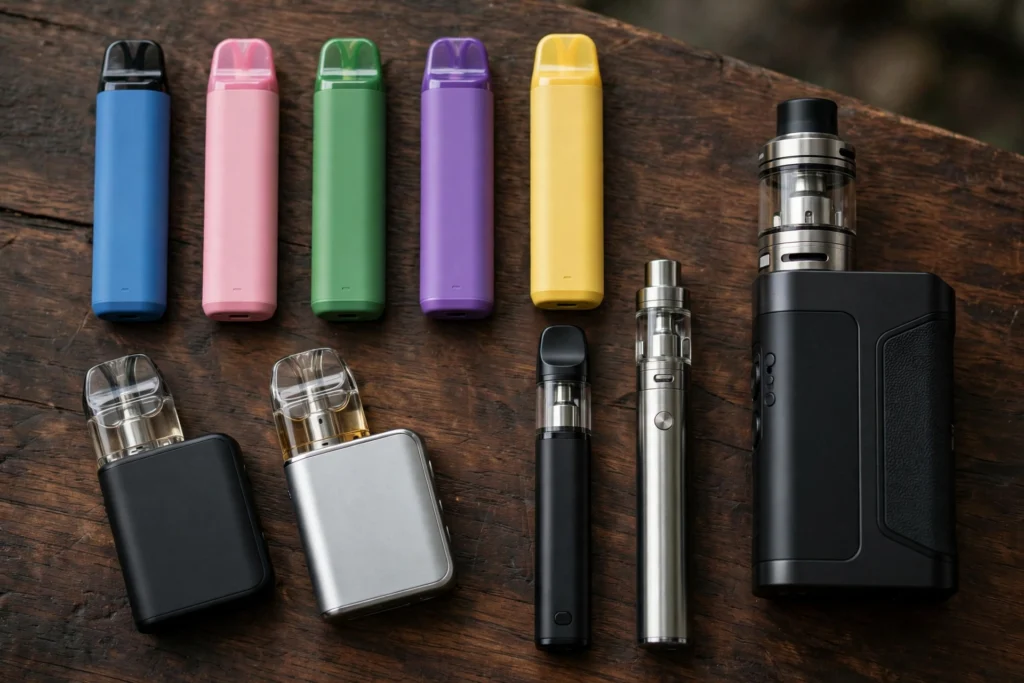
Familiarize yourself with the primary types of vape devices. This vape device guide breaks down each category in plain terms.
Cigalikes
Cigalikes resemble traditional cigarettes in size and shape. They are the simplest e-cigarettes, often disposable or with replaceable cartridges. While they offer familiarity for smokers, they have limited battery life and flavor options. This this guide notes that cigalikes are becoming less popular as better options emerge.
Vape Pens
Vape pens are slim, cylindrical devices with refillable tanks. They offer better battery life than cigalikes and allow you to try different e-liquids. They are straightforward to use and maintain. This vape device guide considers vape pens a solid choice for beginners who want a bit more than a disposable.
Pod Systems
Pod systems use small pods filled with e-liquid that attach to a battery device. They are compact, user-friendly, and popular among both beginners and experienced vapers. Pods can be pre-filled or refillable. This vape device guide highlights pod systems as one of the most versatile categories.
Box Mods
Box mods are larger devices with advanced features like adjustable wattage and temperature control. They offer the most customization but require more knowledge. This this guide suggests box mods for experienced users or beginners willing to learn.
Disposable Vapes
Disposables come pre-filled and pre-charged. You use them until they run out, then replace them. They are the simplest option with zero maintenance. This vape device guide acknowledges their convenience while noting higher long-term costs.
Step 3: Set Your Budget
Determine how much you want to spend initially and ongoing. This vape device guide helps you think through the economics.
Disposable vapes cost $5-15 each but add up quickly with regular use. A basic pod system starter kit might cost $20-40, with ongoing pod or e-liquid expenses. Advanced mods can cost $50-100+ plus accessories. This this guide recommends considering both upfront and long-term costs.
Think about your vaping frequency. Occasional users might find disposables economical. Daily vapers usually save money with refillable devices. This vape device guide suggests calculating a monthly estimate based on your expected usage.
Do not forget accessories: extra pods, coils, e-liquid, and chargers. These ongoing costs matter. This vape device guide advises budgeting for at least a month of supplies when starting out.
Step 4: Consider Portability and Lifestyle
How and where will you vape? Your lifestyle should influence your choice. This this guide explores practical considerations.
If you are always on the go, prioritize compact, lightweight devices. Pod systems and disposables excel here. They fit in pockets and require minimal fuss. This vape device guide notes that portability often correlates with simplicity.
If you primarily vape at home, size matters less. You might prefer a larger device with bigger e-liquid capacity and longer battery life. This vape device guide suggests that home users can prioritize performance over portability.
Consider discretion too. Some devices produce large clouds, while others are subtle. If you want to vape discreetly, choose a low-power device. This this guide reminds you to respect local regulations and social norms.
Step 5: Evaluate Battery Life
Battery life is crucial for satisfaction. This vape device guide explains what to look for.
Smaller devices have smaller batteries. A disposable might last a day or two. A pod system might need daily charging. Larger mods can last multiple days. This vape device guide recommends matching battery capacity to your usage patterns.
Check the milliamp-hour (mAh) rating. Higher mAh generally means longer life, though actual performance depends on usage. A 1000mAh pod system suits moderate users. Heavy vapers might want 2000mAh or more. This this guide suggests erring on the side of more capacity.
Consider charging convenience. USB-C charging is faster than older standards. Some devices support pass-through charging (vaping while charging). This vape device guide notes these details matter for daily usability.
Step 6: Understand Coil Options
Coils affect flavor, vapor production, and maintenance. This vape device guide demystifies them.
Coils have different resistances, measured in ohms. Lower resistance (sub-ohm, below 1.0 ohm) produces more vapor and works with high-VG e-liquids. Higher resistance (above 1.0 ohm) provides a tighter draw similar to smoking and works well with nicotine salts. This this guide explains that your device determines which coils you can use.
Some devices have built-in coils (disposables, some pods). Others use replaceable coils. Replaceable coils offer more flexibility but require periodic changes. This vape device guide recommends beginners start with devices that have simple coil systems.
Coil material also matters. Common options include kanthal, stainless steel, and ceramic. Each has slightly different characteristics. This vape device guide suggests not overthinking this as a beginner; focus on compatibility first.
Step 7: Check E-Liquid Compatibility
Not all e-liquids work with all devices. This this guide helps you match them correctly.
High-VG e-liquids (thicker) work best in sub-ohm devices with larger coils. They produce big clouds but may not wick properly in small pods. High-PG e-liquids (thinner) work well in pods and mouth-to-lung devices. They provide stronger throat hit. This vape device guide emphasizes that using the wrong e-liquid can cause leaking or burnt hits.
Nicotine salts are designed for low-power pod systems. Freebase nicotine works in a wider range of devices. This vape device guide advises checking your device’s recommended e-liquid types before purchasing.
If you are unsure, ask the retailer. Shops like DiscoverVapes can guide you to compatible products. This this guide encourages asking questions rather than guessing.
Step 8: Prioritize Build Quality and Safety Features
A well-built device lasts longer and is safer. This vape device guide identifies what to look for.
Look for devices from reputable manufacturers. Check for safety certifications. Quality devices include protections against overcharging, short circuits, and overheating. This vape device guide warns against no-name brands with no safety track record.
Materials matter too. Metal and high-quality plastic last longer than cheap alternatives. Seals should be tight to prevent leaking. Buttons should feel solid, not flimsy. This this guide suggests handling devices in person when possible.
Read reviews focusing on durability and reliability. A device that breaks in a month is no bargain. This vape device guide recommends investing in quality from the start.
Step 9: Read Reviews and Seek Recommendations
Learn from others’ experiences. This vape device guide shows you how to research effectively.
Look for reviews from users with similar needs. A cloud chaser’s perfect device might be wrong for a discreet beginner. Pay attention to long-term reviews, not just first impressions. This this guide notes that issues often emerge after weeks of use.
Check multiple sources. Manufacturer descriptions are marketing. Independent reviewers and user forums offer more balanced perspectives. This vape device guide suggests looking for consistent patterns across reviews.
Visit DiscoverVapes to see detailed product descriptions and customer feedback. Knowledgeable staff can also provide personalized recommendations. This vape device guide values expert guidance.
Step 10: Make Your Purchase from a Trusted Retailer
Where you buy matters as much as what you buy. This this guide concludes with shopping advice.
Purchase from authorized retailers for guaranteed authenticity. Counterfeit vapes are a real problem and can be unsafe. Trusted shops like DiscoverVapes guarantee genuine products. This vape device guide strongly advises against suspiciously cheap deals from unknown sellers.
Consider warranty and return policies. Reputable retailers stand behind their products. If a device arrives defective, you should be able to exchange it. This vape device guide recommends checking policies before buying.
Take advantage of starter kits. They bundle everything you need at a better price than buying separately. Many include extra pods or coils. This this guide considers starter kits the smartest way for beginners to purchase.
Bonus: Top Device Recommendations by Category
This vape device guide would be incomplete without specific suggestions. Here are reliable options in each category.
Best Disposables for Beginners
Look for well-known brands with consistent quality. Popular options offer 5000-10000 puffs, though actual counts vary by usage. Choose flavors you enjoy. This vape device guide reminds you that disposables are for trying, not long-term use.
Best Pod Systems
Pod systems from established manufacturers offer the best balance of simplicity and performance. Look for devices with good battery life, easy pod replacement, and a range of flavor options. This this guide considers pod systems the sweet spot for most users.
Best Vape Pens
Vape pens from reputable brands provide a traditional experience with modern reliability. Choose one with adjustable airflow if possible. This vape device guide notes that vape pens are excellent for those who want simplicity with refillable convenience.
Best Box Mods for Upgraders
If you are ready for more control, consider a regulated box mod from a trusted manufacturer. Look for complete safety features and intuitive controls. This vape device guide advises beginners to gain experience before jumping to advanced mods.
Maintaining Your New Device
Once you have chosen, proper care supports longevity. This this guide covers basic maintenance.
Clean connections regularly with a dry cloth. Store your device upright to prevent leaking. Charge using the recommended method. Replace coils or pods when flavor diminishes. This vape device guide emphasizes that simple maintenance prevents most issues.
Keep spare parts on hand. Having extra pods or coils means you are never caught without. This vape device guide suggests buying spares with your initial purchase.
Common Buying Mistakes to Avoid
Learn from others to make a smarter purchase. This this guide highlights frequent errors.
Buying Based on Price Alone
The cheapest option is rarely the best value. Poor quality leads to frustration and replacement costs. This vape device guide recommends balancing price with reputation and features.
Ignoring E-Liquid Costs
The device is only part of the expense. Factor in ongoing e-liquid, pod, or coil costs. This vape device guide advises calculating total cost of ownership.
Choosing Complexity Over Suitability
Advanced features are useless if you do not need them. A beginner does not need temperature control. This this guide suggests matching complexity to your experience level.
Skipping Research
Impulse buys often disappoint. Take time to read reviews and compare options. This vape device guide believes informed buyers are happier buyers.
Understanding Vape Terminology: A Quick Glossary
Navigating vape shops and online listings is easier when you know the lingo. This section defines common terms you will encounter.
Atomizer: The component that houses the coil and wick. In many devices, this is part of the tank or pod.
Clearomizer: A transparent tank that lets you see e-liquid levels. Common in vape pens.
Drip Tip: Another name for mouthpiece. Drip tips come in various materials like plastic, metal, and resin.
Mod: The battery housing of a vape device. Can be simple or advanced with variable settings.
Ohm: Unit of electrical resistance. Lower ohms mean more power and vapor.
Priming: Soaking a new coil in e-liquid before use to prevent burning.
Steeping: Letting e-liquid sit to allow flavors to blend and mature. Similar to aging wine.
Throat Hit: The sensation in your throat when inhaling vapor. Stronger with higher nicotine or PG.
Wicking: The material (usually cotton) that draws e-liquid to the coil.
Knowing these terms helps you read product descriptions and ask informed questions. Do not feel pressured to memorize everything at once. You will pick up the vocabulary naturally as you explore.
The Role of Airflow in Your Vaping Experience
Airflow significantly impacts how a device feels and performs. Understanding it helps you choose wisely.
Tight airflow mimics cigarette smoking. It provides a restricted draw that many former smokers prefer. Devices with tight airflow work well for mouth-to-lung vaping. They typically use higher-resistance coils and produce less vapor.
Loose airflow allows more air through, creating an airy draw. This suits direct-to-lung vaping and produces larger clouds. Devices with adjustable airflow let you customize the experience. You can start tight and open it up as you explore.
Some devices have fixed airflow, while others offer adjustable rings or sliders. Adjustable airflow provides flexibility as your preferences evolve. If you are unsure, choose a device with adjustable options.
Airflow also affects flavor. Tighter draws often concentrate flavor, while airier draws dilute it slightly but produce more vapor. Experiment to find your preference. There is no wrong answer, only personal taste.
Device Longevity: What to Expect
Understanding how long devices last helps you budget and plan. Different categories have different lifespans.
Disposable vapes are designed for short-term use. Depending on puff count and your usage, they last from a few days to a couple of weeks. Once depleted, you replace the entire device.
Pod systems can last 6 months to 2 years with proper care. The device itself is durable; you only replace pods regularly. Battery capacity may diminish over time, as with all rechargeable electronics.
Vape pens typically last 1-2 years. Tanks may need replacement if they crack or wear out. Coils are consumables replaced every 1-2 weeks.
Box mods are the most durable, often lasting 2+ years. They are built to withstand regular use. You may replace tanks, coils, and batteries, but the mod itself endures.
Proper maintenance extends any device’s life. Clean regularly, charge correctly, and store properly. A well-cared-for device rewards you with consistent performance.
Environmental Considerations
Vaping generates waste, and responsible disposal matters. This section addresses environmental concerns.
Disposable vapes contain batteries and electronics that should not go in regular trash. Many areas have e-waste recycling programs. Check local regulations for proper disposal methods.
Refillable devices generate less waste. You only discard small pods or coils rather than entire devices. Choosing refillable over disposable reduces your environmental footprint significantly.
E-liquid bottles are typically recyclable. Rinse them before recycling. Some shops offer bottle return programs.
Batteries require special handling. Never throw lithium batteries in regular trash. They can cause fires in waste facilities. Use designated battery recycling drop-offs.
Being mindful of waste does not mean giving up vaping. It means making responsible choices about products and disposal. Every small effort helps.
Traveling with Your Vape Device
If you travel, know the rules. Vaping regulations vary by location and transportation method.
For air travel, pack devices in carry-on luggage, never checked bags. Batteries are prohibited in checked luggage due to fire risk. E-liquids must follow TSA liquid rules (3.4oz/100ml containers in a quart bag).
Research destination laws before traveling internationally. Some countries ban vaping entirely. Others have strict regulations. Ignorance is not a defense, so check ahead.
In cars, avoid leaving devices in extreme heat. High temperatures can damage batteries and cause e-liquid to thin and leak. Store in a cool place.
When in doubt, ask. Hotel staff, airlines, and local authorities can clarify rules. Respecting regulations keeps you out of trouble and represents the vaping community well.
Frequently Asked Questions
This vape device guide answers common questions.
How much should a beginner spend on a first device?
A decent starter kit costs $20-40. This gets you a reliable device with essential accessories. This this guide suggests this range offers the best value for newcomers.
Can I use any e-liquid with any device?
No. Match e-liquid VG/PG ratio and nicotine type to your device. Check manufacturer recommendations. This vape device guide stresses compatibility.
How long do vape devices last?
With proper care, a quality device lasts 1-2 years or more. Disposables last days to weeks. Pods and coils need regular replacement. This vape device guide notes that maintenance extends life.
Is it better to buy online or in-store?
Both have merits. In-store offers hands-on guidance. Online often has better prices and selection. This this guide suggests starting in-store, then shopping online once you know your preferences. For authoritative regulatory information, visit the FDA tobacco products page.
What if I do not like my device?
Most reputable retailers have return policies. Give yourself a week to adjust before deciding. Sometimes the issue is e-liquid choice, not the device. This vape device guide encourages troubleshooting before giving up.
Final Thoughts: Trust the Process
Choosing a vape device does not have to be stressful. This vape device guide has given you 10 proven steps to follow. Take your time, do your research, and trust your judgment.
Remember that your first device does not have to be your last. Many vapers try several devices before finding their perfect match. This this guide considers experimentation part of the journey.
Start with your needs, set a budget, and prioritize quality and safety. The right device is out there. This vape device guide is confident that following these steps will lead you to it.
Choosing wisely now saves frustration later. Take your time comparing options and do not hesitate to ask for help. The perfect device is the one that fits your life well and brings you satisfaction with every use. Happy shopping, and enjoy the journey ahead.
For more guidance on getting started, check out our beginner vape guide. And when you are ready to shop, visit DiscoverVapes for a curated selection of quality devices. This vape device guide wishes you happy vaping!