
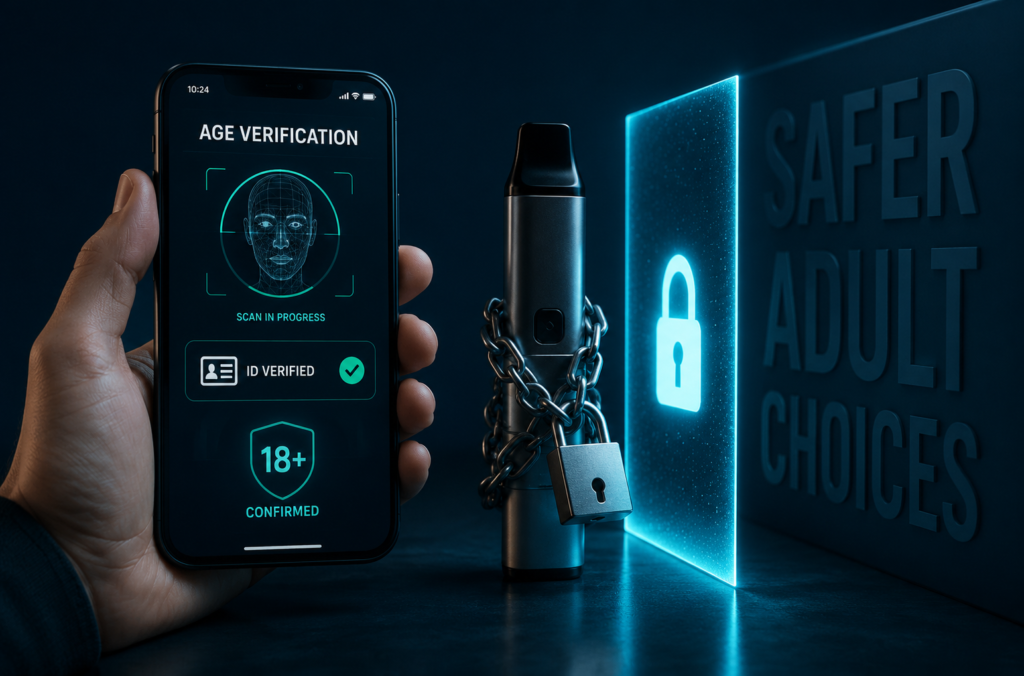
Vaping & Age Checks: Essential Guide to Safer Adult Choices!
Vaping conversations tend to split into two camps that rarely talk to each other. One side treats any vape product as basically harmless compared to cigarettes. The other treats vaping as an equal or greater danger. Neither framing is very useful if you are an adult trying to make an informed decision, or a parent, retailer, or policymaker trying to understand what age verification actually accomplishes.
Why Age Verification Became the Center of the Vaping Debate
This piece is written for adults. It does not walk through flavor names or product recommendations, and it is not trying to talk anyone into using nicotine. Instead, it looks at what the evidence actually says about vaping relative to smoking, why age verification has become such a central issue in vape policy, and what responsible use looks like if you are already an adult smoker or vaper.
For years, the vaping industry argued that flavors like fruit and dessert profiles were essential for helping adult smokers switch away from cigarettes, since plain tobacco flavor products often did not appeal enough to keep former smokers from going back. Public health researchers and the FDA pushed back hard on that argument, pointing to survey after survey showing that flavor was consistently the top reason teenagers gave for trying vaping in the first place.
That tension, adult smokers wanting variety versus regulators wanting to protect minors, is exactly why age verification technology has become such a big deal in 2026. Rather than treating flavor as an all or nothing issue, regulators have started asking whether a manufacturer can prove, with real data, that its verification system actually keeps underage users out while still being simple enough for an adult to use without hassle.
One recent example involved a device using Bluetooth-linked smartphone verification, which required confirming legal age through an app before the device would even activate. According to the FDA’s own review, adult testers completed the verification process easily, while underage test subjects were not able to get past it. That kind of evidence is now shaping how future flavored products might get approved, shifting the conversation from “should flavors exist” to “can this specific technology prove it works.”
What This Means If You Are an Adult Who Vapes
If you are already an adult who vapes, age verification technology mostly shows up as a mild inconvenience, an extra step during setup, maybe a one-time app download. It is not designed to restrict what you personally can access. It exists because regulators need proof that a product designed to appeal to adult smokers is not simultaneously appealing and accessible to a fifteen-year-old.
From a harm reduction standpoint, the honest scientific consensus is that vaping nicotine, while not risk free, exposes users to far fewer of the harmful combustion byproducts found in burned tobacco smoke. That is a genuinely useful fact for adult smokers weighing their options. It is not, however, a reason to start vaping if you have never smoked, and it is not evidence that vaping carries no risk at all. Long-term data on inhaling vaporized flavoring chemicals over decades simply does not exist yet, because the products have not been around that long.
The Difference Between “Less Harmful” and “Harmless”
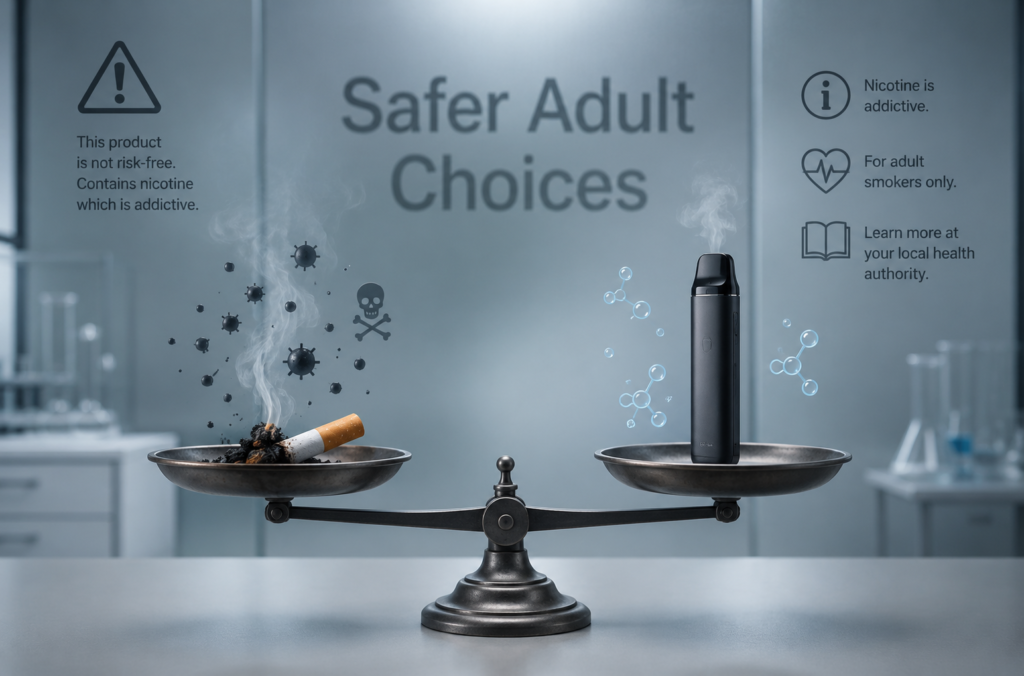
This distinction gets lost constantly in casual conversation, so it is worth stating plainly. Public health agencies, including the FDA and the CDC, generally agree that switching completely from cigarettes to vaping reduces exposure to many carcinogens and toxic combustion products. That is why the FDA’s authorization standard specifically weighs benefit to adult smokers against risk to non-users.
At the same time, nicotine itself is addictive regardless of delivery method, and vaping devices carry their own risks, including battery malfunctions, inconsistent manufacturing quality in unauthorized products, and unknown long-term effects from inhaling propylene glycol, vegetable glycerin, and flavoring compounds at a scale and frequency that did not exist before disposable vapes became common. None of that makes vaping equivalent to smoking. It also does not make it a wellness product.
If you are a current smoker considering a full switch to vaping as a way to reduce harm, that decision is best made with input from a doctor who knows your health history, not from marketing copy or a vape shop employee. If you have never used nicotine, the entire harm reduction argument does not apply to you, since there is no existing habit to reduce the harm of.
Retailers and the Responsibility of Verifying Age in Person
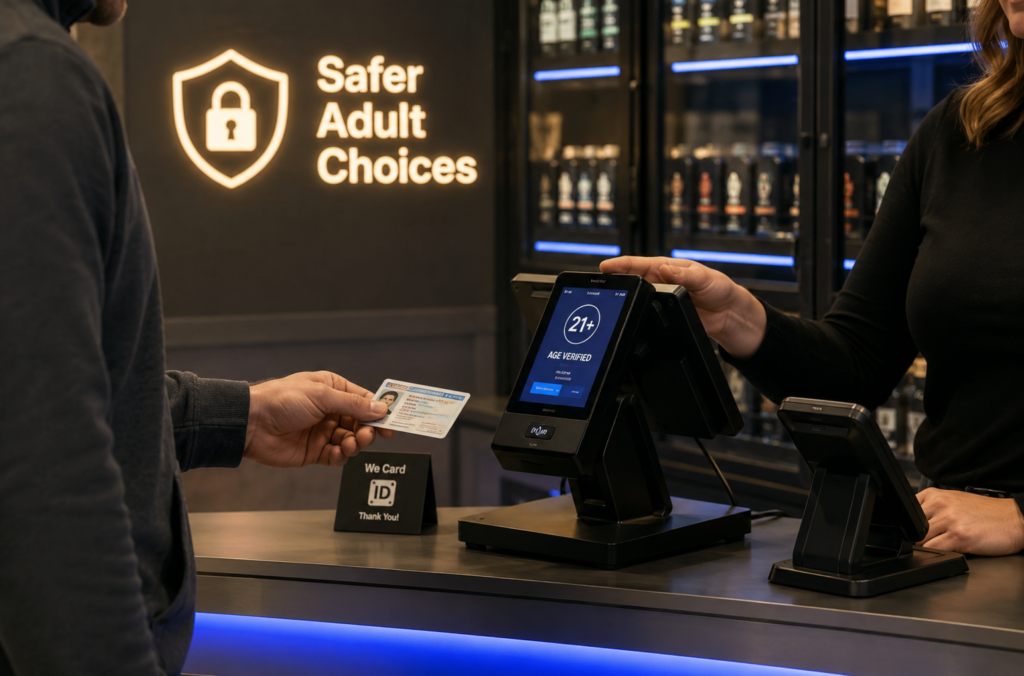
Device-level age verification technology gets a lot of attention, but old-fashioned in-person ID checks remain the backbone of keeping nicotine products away from minors. Retailers carry direct legal responsibility here, and the penalties for getting it wrong have gotten more serious as flavor restrictions and PMTA enforcement have tightened. Selling to someone under 21, or selling unauthorized flavored products in states that specifically restrict them, can result in warning letters, escalating fines, and in repeated cases a suspension of a store’s ability to sell any tobacco product at all.
For a retailer, staying compliant means more than checking a birth date on a driver’s license. It increasingly means tracking which specific products are authorized for sale at all, since an ID check does nothing to fix the separate problem of stocking a product that should not be on the shelf in the first place.
Practical Guidance for Adults Who Already Vape
If you are an adult who currently vapes and want to approach it responsibly, a few habits matter more than most people realize. Buying only from licensed retailers rather than unregulated online sellers reduces the odds of ending up with a counterfeit device or e-liquid that does not match its labeling. Paying attention to nicotine concentration, rather than just flavor, helps you understand your actual intake, since disposable products vary widely in strength. And treating vaping as a step toward eventually quitting nicotine altogether, rather than a permanent replacement habit, aligns with how most public health guidance frames it: as a tool for smokers trying to move away from combustible tobacco, not as an end destination.
If you are trying to quit nicotine entirely, whether you started with cigarettes or vaping, speaking with a doctor about proven cessation methods, including nicotine replacement therapy, prescription medications, and behavioral support programs, tends to produce better long-term Results than switching between nicotine delivery methods indefinitely.
Where the Regulatory Landscape Is Headed
Age verification technology is likely to keep playing a bigger role in which flavored products eventually get FDA authorization, since it gives regulators a data-backed way to separate products genuinely aimed at adult smokers from products that happen to appeal to teenagers regardless of intent. That does not mean flavor restrictions are going away, and it does not mean every disposable brand currently sitting outside the authorized market will find a path to compliance. It does mean the conversation is shifting from a blanket flavor ban debate toward a more specific discussion about which technologies can actually prove effective age gating.
For adults trying to navigate all of this, the most useful approach is staying informed through primary sources like the FDA rather than assuming last year’s headlines still apply. Rules, authorized product lists, and state restrictions have all shifted meaningfully within the past year alone, and they are likely to keep shifting.
Final Thoughts
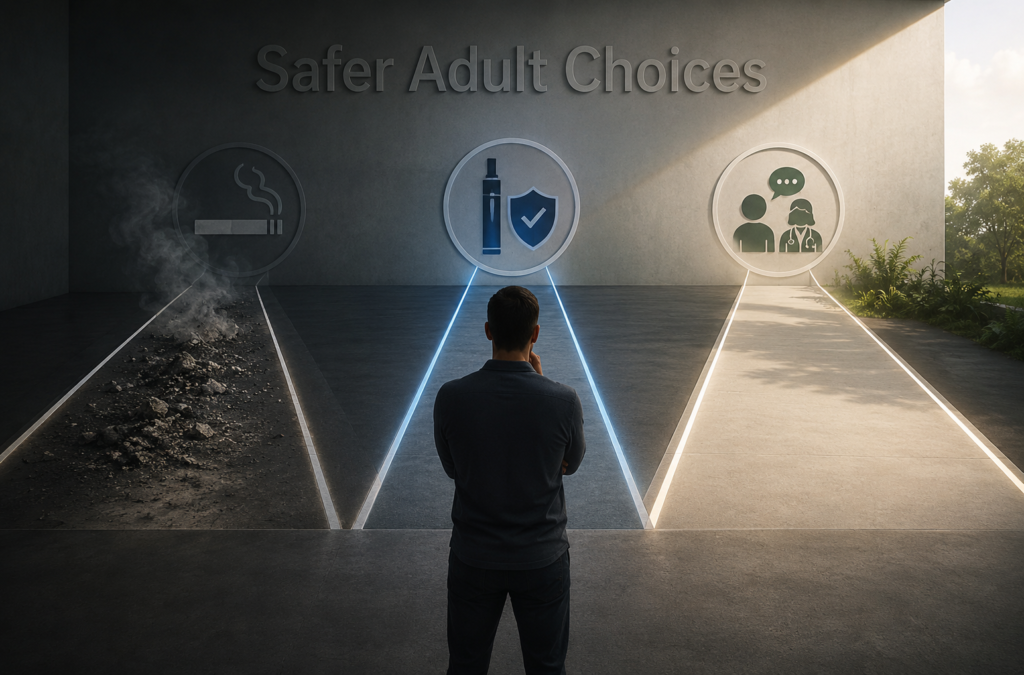
Vaping sits in a genuinely complicated middle ground. It is less harmful than smoking for adults who already smoke, but it is not harmless, and it is not intended for people who never used nicotine to begin with. Age verification technology is becoming a real tool for separating adult-focused products from youth-appealing ones, but it is still early, and it applies to a small slice of the market so far. The most responsible path forward, whether you are an adult vaper, a retailer, or just someone trying to understand the news, is treating this as an evolving regulatory and public health issue rather than a settled argument in either direction.
This article is intended for adults 21 and older and is for general informational purposes only. It does not constitute medical advice. If you are considering using nicotine products to quit smoking, or if you want to quit nicotine altogether, talk with a licensed healthcare provider about the options that are right for your situation.