
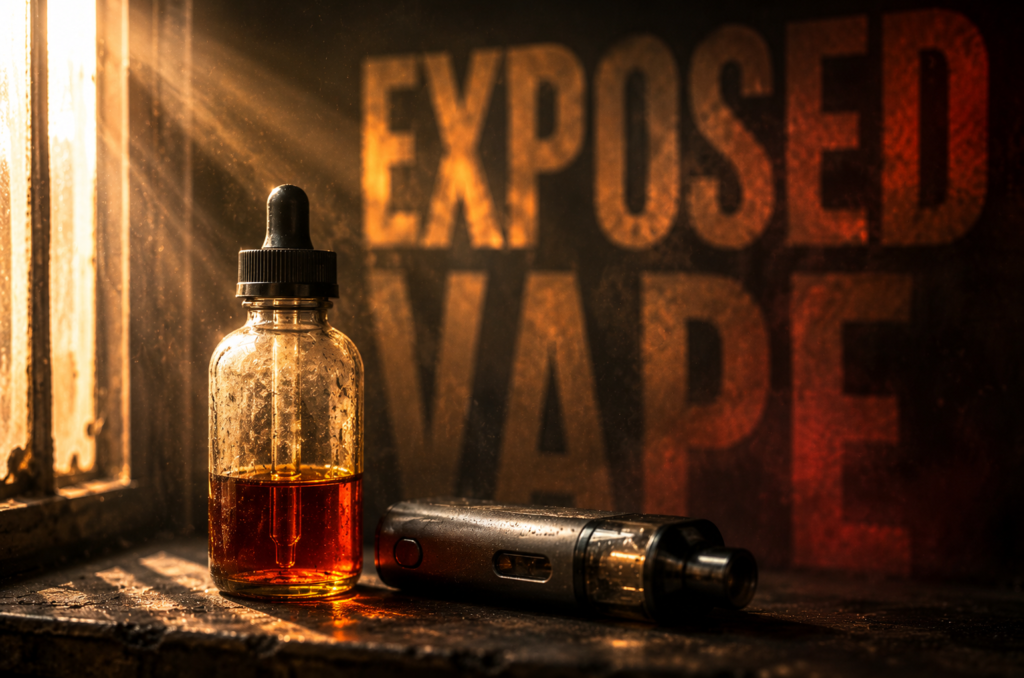
Exposed Vape Juice: 5 Critical Risks for Safer Vaping Today!
If you’ve been vaping for any length of time, you’ve likely wondered what happens to your exposed vape juice when it sits around. Maybe you found an old bottle in the back of a drawer or left your e-liquid on a sunny shelf. The question that naturally comes to mind is simple: is it still safe to use? The answer is more complicated than yes or no, and understanding the risks matters if you want to protect your health and enjoy the best vaping experience possible.
Heat-exposed vape juice and old vape juice aren’t always dangerous, but the conditions in which they’ve been stored make a real difference. Temperature plays a huge role in how e-liquid ages, and the longer your vape juice sits, the more its chemical composition changes. This breakdown happens slowly in some cases and rapidly in others, depending on several factors you should know about.
The truth is that many people don’t think twice about expired vape juice or heat-damaged exposed vape juice until something goes wrong. By understanding how vape juice storage works and why high-temperature vape juice becomes problematic, you can make smarter decisions about what to use and what to throw away. Your nicotine degradation awareness directly affects your safety and satisfaction.
How Temperature Affects Your Vape Juice Over Time
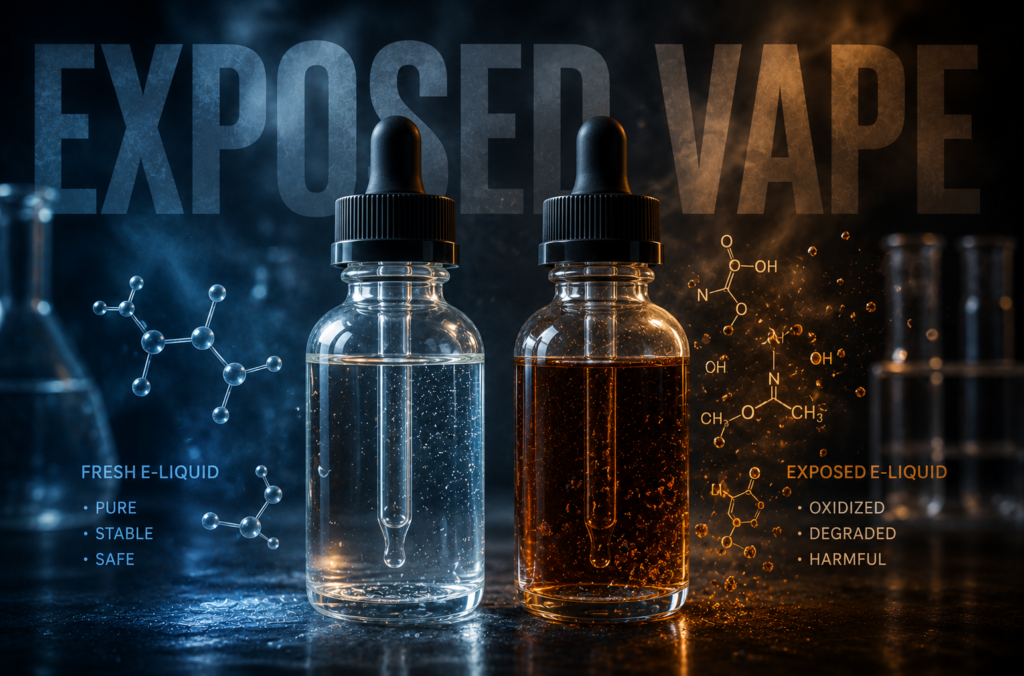
Heat is the enemy of stored vape juice. When vape juice gets hot, the chemical components inside break down at a faster rate. This isn’t a mystery or speculation. It’s basic chemistry. The main ingredients in most e-liquid are propylene glycol (PG), vegetable glycerin (VG), nicotine, and various flavorings. Each of these responds to heat differently, but all of them degrade when exposed vape to higher temperatures.
Nicotine is particularly sensitive to heat. When vape juice nicotine gets exposed vape to warmth, it begins to oxidize. This oxidation process turns the liquid darker over time and changes its chemical structure. You might notice that oxidized exposed vape juice looks brownish or amber colored, whereas fresh vape juice is typically clear or pale yellow. This color change is a visual marker that the nicotine has started breaking down. The potency decreases, meaning you won’t get the same nicotine satisfaction you would from fresh e-liquid.
The flavoring compounds in your exposed vape juice also suffer from heat exposure. Many flavorings are delicate and volatile. When exposed vape to warm conditions, they evaporate or transform into different compounds, which changes the taste of your vape juice dramatically. What started as a pleasant flavor profile becomes muted, off-putting, or sometimes unpleasantly altered. If your vape juice tastes wrong, heat damage could be the reason.
Even the base liquids (PG and VG) react to heat. Extreme temperatures can cause slight chemical changes that affect how the vape juice vaporizes in your device. This can lead to poor performance, less consistent vapor production, and an overall diminished experience. This is why proper exposed vape storage matters so much and why understanding the dangers of heat-exposed vape e-liquid should matter to every vaper.
What Happens to Old Vape Juice That’s Been Sitting Around
Time alone doesn’t ruin vape juice, but combined with poor conditions, even a few weeks can cause noticeable changes. The age of exposed vape juice depends heavily on how it’s been kept. A bottle that’s been in a cool, dark cabinet might stay stable for months, whereas the same bottle left on a windowsill deteriorates within weeks.
Expired vape juice is a real concern, though most manufacturers don’t print actual expiration dates. Instead, you’ll find mixing dates or “best by” dates on quality products. After 12 to 24 months from the mixing date, most e-liquid will have changed enough that it’s worth reconsidering whether to use it. The flavors will have faded, the nicotine strength may have declined, and the overall quality simply won’t be what it was when fresh.
As vape juice ages, the nicotine specifically continues to degrade. This process happens even in optimal conditions, just much more slowly. If you’ve stored your old exposed vape juice in less-than-ideal circumstances—such as in a car, near a window, or in a warm room—the nicotine degradation accelerates significantly. What might have been a 12-month shelf life in perfect conditions could become just 3 to 6 months under poor conditions.
Another change that happens as vape juice storage time increases is separation. Sometimes the components in e-liquid don’t stay perfectly mixed, especially if the bottle has been sitting for a long time. You might notice that shaking your stored vape juice before use becomes necessary, and even then, a shake might not fully recombine everything. This separation is usually harmless, but it’s another sign that your exposed vape juice isn’t in peak condition anymore.
The 5 Key Dangers of Using Damaged Vape Juice
1. Reduced Nicotine Potency and Inconsistent Strength
When you vape with old vape juice that’s been exposed vape to heat, you’re not getting what you think you’re getting. If you started with a 6mg bottle and it’s been sitting in your car for three months, the actual nicotine content could be significantly lower. Some people notice this immediately because they don’t feel the same satisfaction they normally would. Others don’t realize what’s happening and just assume they need to vape more often, which isn’t a safe habit to develop.
This reduction in nicotine strength from heat-damaged e-liquid is especially problematic for people using vaping to manage their nicotine dependence or to transition from smoking. If you’re counting on a specific nicotine dose and you’re actually getting less, your vaping habits might change in unexpected ways. You could end up using your device more frequently, which isn’t ideal.
2. Chemical Degradation and Unknown Compounds
As vape juice breaks down due to heat and age, the nicotine oxidizes and the flavorings transform. While the original nicotine and flavoring compounds are generally recognized as relatively safe, some of the compounds they transform into through oxidation are less well understood. This is an important distinction. The vaping industry has conducted extensive research on the safety of nicotine and common flavorings, but we have less data about some of the compounds that form when these materials degrade.
Using degraded vape juice means you’re potentially inhaling substances that haven’t been as thoroughly studied for safety. Is it absolutely certain to cause harm? Not necessarily. But it’s a risk that’s completely avoidable by using fresh vape juice instead. When you have the choice between something of known safety and something of questionable safety, the right call is obvious.
3. Unpleasant Taste and Altered Flavor Experience
If flavor is part of why you vape, then heat-exposed vape juice represents a waste of money and a disappointing experience. The flavorings in e-liquid are volatile compounds that evaporate or break down when heated. This means that vape juice stored in warm conditions tastes noticeably worse than when it was fresh. Some people describe the taste as muted or flat. Others find that it develops an off or unpleasant taste, sometimes described as burnt or chemical-like.
This flavor degradation is one of the easiest signs to detect that your old vape juice has been improperly stored. If you take a bottle that’s been sitting in a warm place and compare it to the same brand and flavor stored properly, the difference is usually obvious. Why settle for subpar flavor when you can easily store your vape juice correctly?
4. Potential Irritation from Altered Chemical Compounds
While fresh vape juice is generally mild when inhaled, degraded e-liquid might produce irritation for some people. As the nicotine oxidizes and flavorings break down, new compounds form. While most of these are likely harmless, some people report experiencing throat irritation, coughing, or general discomfort when using old vape juice or heat-exposed vape juice. This discomfort could be coincidental, or it could be a sign that your body is reacting to the altered chemicals.
The risk of irritation increases if you have sensitive lungs or a history of respiratory issues. Even if you’ve never experienced irritation from fresh vape juice, it’s wise to be cautious about trying expired vape juice if you fall into this category. Your health is too important to gamble with.
5. Device Performance Issues and Inconsistent Vaping
Heat-damaged exposed vape juice can actually affect how your vaping device performs. When the base liquids and other components degrade, the viscosity (thickness) of the e-liquid can change. If it becomes too thick, it won’t wick properly into your coil. If it becomes too thin, you might experience more leaking. Either scenario creates a frustrating vaping experience and could potentially damage your device over time.
Additionally, the vaporization temperature needed for degraded vape juice might differ slightly from fresh e-liquid. This could mean that the temperature settings that worked perfectly before now produce too much or too little vapor. You’ll notice your device performing inconsistently or requiring adjustments that shouldn’t be necessary.
How to Tell If Your Vape Juice Has Been Heat-Exposed
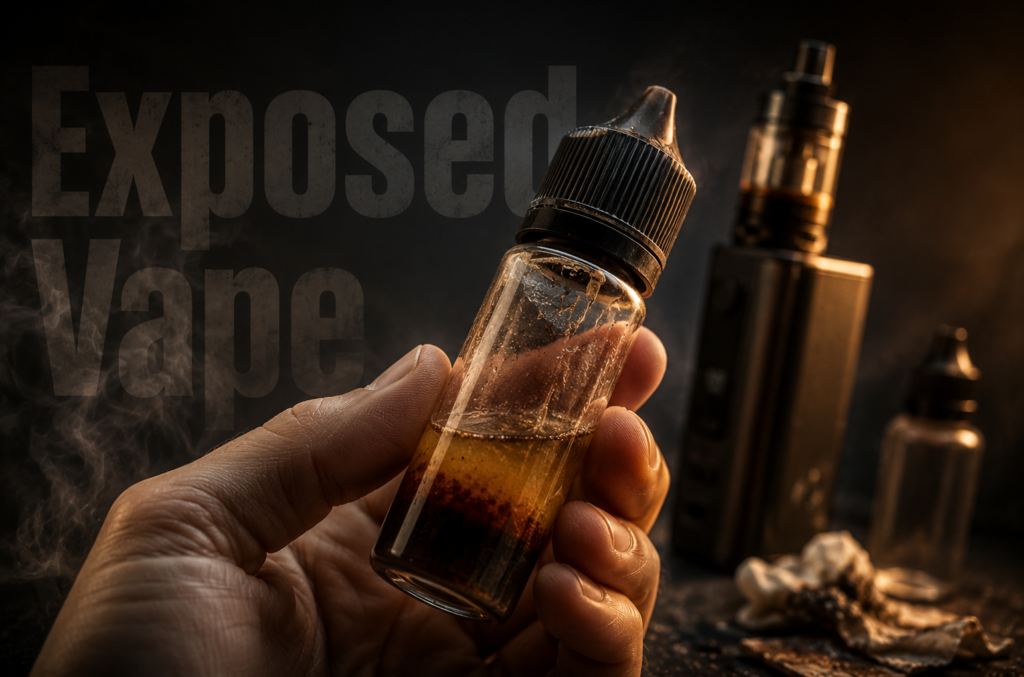
Before you use that bottle of vape juice you’ve been storing, take a few minutes to check for signs of heat damage. The visual inspection is the easiest starting point. Look at the color. Fresh vape juice is typically clear, pale yellow, or light amber depending on the flavorings. If your e-liquid has turned significantly darker, that’s a strong indication that nicotine oxidation has occurred and that your exposed vape juice has been exposed vape to heat.
Next, give the bottle a smell (without ingesting anything). Fresh vape juice should smell like the flavorings it contains—fruity, dessert-like, minty, or whatever applies. If your old vape juice smells harsh, chemical-like, or simply different from what you remember, that’s another red flag. The smell change indicates that the volatile flavor compounds have changed or disappeared.
Finally, take a small amount and taste it if you’re willing to. (Obviously, don’t do this if you suspect something is seriously wrong.) Fresh vape juice should taste like its flavor profile. If your stored vape juice tastes muted, off, or unpleasant, don’t use it. These sensory checks are your first line of defense against using heat-damaged vape juice.
Best Practices for Proper Vape Juice Storage
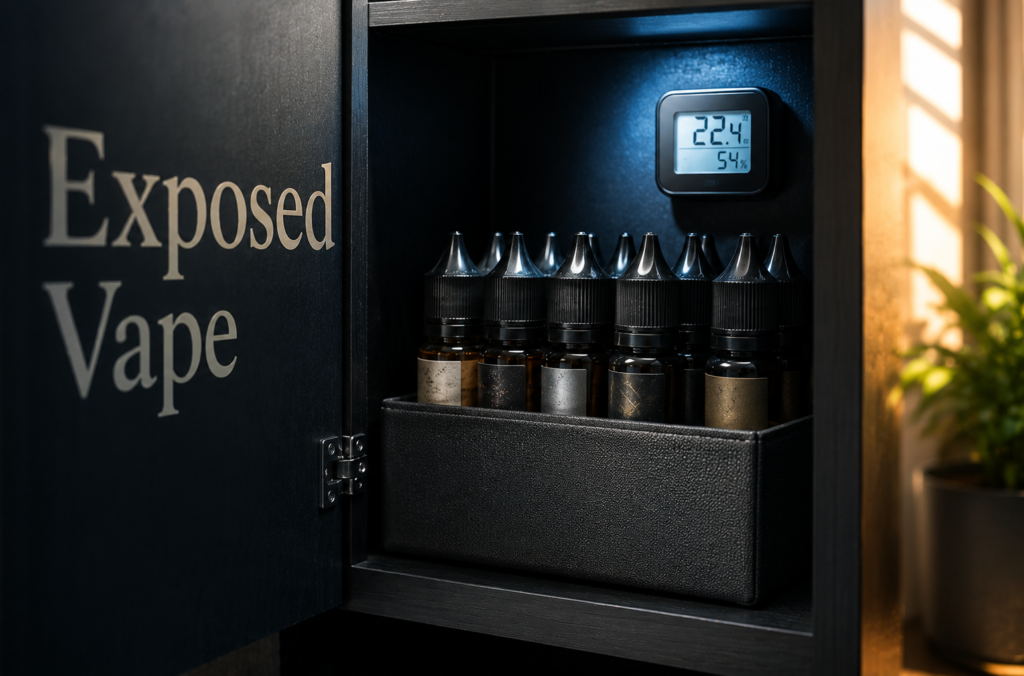
Now that you understand the dangers of heat-exposed vape juice and old vape juice, the solution is straightforward. Proper exposed vape juice storage isn’t complicated, and it doesn’t require special equipment. You simply need to follow a few basic guidelines that will keep your e-liquid fresh and safe for much longer.
Keep Your Vape Juice in a Cool Place
The ideal temperature for storing vape juice is between 60 and 70 degrees Fahrenheit (15 to 21 degrees Celsius). A cool closet, a desk drawer in a climate-controlled room, or a pantry that doesn’t get sun exposure works well. Avoid storing e-liquid in cars, on windowsills, or in any location that experiences temperature fluctuations or heat. Even a few days of exposure to high heat can start the nicotine degradation process.
Store in a Dark Location Away from Sunlight
Light exposure accelerates the breakdown of vape juice components. This is why many quality e-liquid bottles come in dark or opaque containers. If your vape juice bottles are clear, consider storing them in a box or drawer where they don’t receive direct or indirect light. UV light is particularly damaging, which is another reason that direct sunlight is the worst storage location for yourexposed vape juice.
Use Airtight Containers
Air exposure, especially the oxygen in air, contributes to the oxidation process that degrades nicotine. Make sure your vape juice bottles are tightly sealed when not in use. If you’ve transferred e-liquid to a different container, make sure it seals properly. Bottles with caps that don’t close securely will allow your stored vape juice to gradually oxidize, even if kept in otherwise ideal conditions.
Consider Refrigeration for Long-Term Storage
If you have vape juice that you won’t use for several months, refrigeration (but not freezing) can extend its shelf life. The cold slows down the chemical degradation processes, which means your e-liquid will stay fresher much longer. Just allow the bottle to come to room temperature before opening it to avoid condensation. This method works especially well for people who have purchased larger quantities of vape juice.
When to Throw Away Your Vape Juice
Sometimes the best decision is to discard your vape juice and start fresh. If any of the following apply to your e-liquid, don’t use it:
Your vape juice has an unusual, off-putting, or chemical smell that’s very different from what you remember. The bottle has been stored in a hot location for more than a few days. Your old vape juice has changed color dramatically toward brown or dark amber. The taste is significantly altered or unpleasant compared to a fresh bottle of the same brand and flavor. You’re not sure where or how your e-liquid has been stored for the past several months. Your exposed vape juice bottle doesn’t seal properly, and you haven’t been able to store it in an airtight container.
If you find old vape juice that doesn’t meet any of these warning signs, it’s probably fine to use, especially if you know it’s been stored well. But when in doubt, it’s better to waste a small amount of e-liquid than to risk using something that might not be safe or might make your vaping experience unpleasant.
The Bottom Line on Heat-Exposed Vape and Old Vape Juice
Using old vape juice or heat-exposed vape juice isn’t always dangerous, but the risks aren’t worth taking. When you exposed vape to heat, you accelerate the breakdown of its components. This degradation leads to reduced nicotine potency, altered flavors, potential chemical irritation, and device performance issues. None of these outcomes are worth the gamble.
The good news is that protecting your vape juice is easy. By following simple vape juice storage guidelines—keeping your e-liquid cool, dark, and sealed—you can maintain its quality and safety for much longer. Take a few seconds to check your vape juice before use. Look for color changes, smell it, and taste a bit if you want to. These quick checks let you catch degraded vape juice before it gets into your device.
Fresh vape juice is always the better choice. It tastes better, delivers consistent nicotine, and gives you the experience you’re paying for. Proper storage ensures that every bottle you own stays in that fresh condition for as long as possible. Make the small effort to store your e-liquid correctly, and you’ll never have to worry about the risks of heat-damaged vape juice again.