
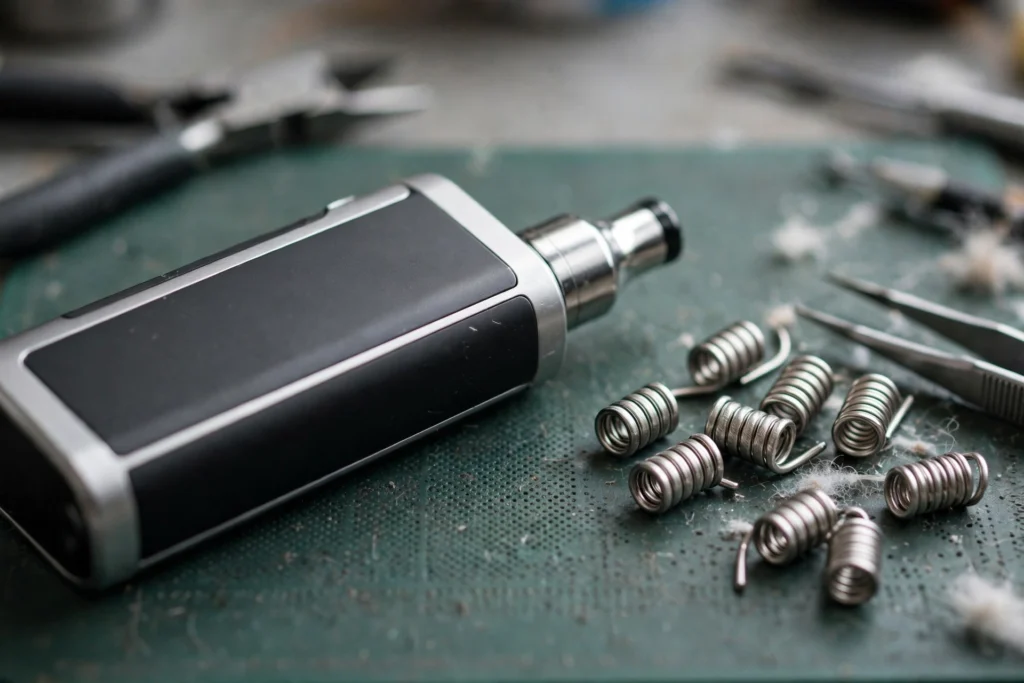
359 Smart Builds: The Essential Vape Device Design Guide for USA Vapers
Most buyers shop by numbers: puff counts, battery sizes, feature lists. But numbers do not tell you how a device feels in your hand at 7 a.m., whether it survives a crowded bag, or why one device delivers smooth flavor while another with similar specs tastes harsh. Those answers live in the engineering choices, large and small, that shape every puff.
Vape device design covers everything from the internal layout of components to the curve of the mouthpiece. It determines reliability, comfort, flavor quality, and how long a device stays satisfying. Understanding design changes how you shop. Instead of comparing spec sheets, you compare philosophies: simplicity versus control, portability versus endurance, minimalism versus adjustability. This guide teaches you to read those philosophies like an engineer.
This vape device design guide is written for adults of legal vaping age in the United States. If you are new to vaping entirely, our beginner walkthrough at https://discovervapes.com/ covers the basics first. To browse devices, visit https://discovervapes.com/shop-all-products/. For help choosing between device types once you understand design, our buyer’s guide at https://discovervapes.com/vape-device-guide-buyers/ approaches the topic from the shopper’s angle, while this vape device design guide takes the engineering angle.
Why Vape Device Design Matters More Than Specs
Specifications describe what a device contains. Design describes how those contents work together. Two devices can share similar components and feel completely different, because the arrangement, tuning, and finishing differ. The one that feels better is usually the one with better design, not bigger numbers.
Consider airflow. The same coil performs differently depending on the shape and size of the air path around it. A well-designed air channel delivers smooth, even vapor. A poorly designed one creates turbulence that mutes flavor or produces an uneven draw. No spec sheet lists air channel geometry, yet it shapes every puff. This is the kind of hidden variable that design thinking reveals.
Design also determines reliability. How components are seated, how seals are arranged, how the device handles heat over hundreds of puffs: these engineering details decide whether a device works as well on day thirty as on day one. This guide focuses on these durable qualities because they matter more to your daily experience than any headline number.
The Anatomy of Vape Device Design
Every vaping device, from the simplest disposable to the most advanced mod, is built around the same core systems. This guide breaks them down so you can evaluate any device with understanding.
Power: The Battery System
The battery is the heart of vape device design. In disposables, it is a sealed cell sized to last roughly as long as the e-liquid supply. The design challenge is matching: too small a battery and the device dies with liquid remaining, too large and you pay for capacity you never use. Good disposable design gets this balance right, which is why some brands feel like they end exactly when they should.
In rechargeable devices, battery design includes the charging circuit, safety protections, and the physical compartment. Thoughtful design places the battery where its weight balances the device in hand, protects it from e-liquid leaks, and makes the charging port easy to access without compromising the seal. These details are invisible in photos but obvious in use.
Heating: The Coil and Wick
The coil heats e-liquid into vapor, and the wick feeds e-liquid to the coil. Their design determines flavor quality more than any other component. In design terms, the key variables are heating evenness, wick saturation speed, and thermal stability over time.
Even heating prevents hot spots that scorch e-liquid and create harsh or burnt notes. Fast wicking keeps up with your puffing pace, so the coil never runs dry mid-session. Thermal stability means the five-hundredth puff tastes like the fifth. When reviewers praise a device for consistent flavor, they are praising its coil and wick vape device design, whether they use those words or not.
Airflow: The Invisible Architecture
Airflow design is the most underrated element in vape device design. The path air takes from intake to mouthpiece shapes draw resistance, vapor temperature, and flavor intensity. A narrow, restricted path creates a tight draw that concentrates flavor, similar to sipping through a straw. A wide, open path creates an airy draw with bigger, cooler clouds.
Neither is better in absolute terms. The right airflow depends on your preference, which is why adjustable airflow exists in some vape device design. What matters is intentionality: the airflow should feel deliberate, not accidental. If a device’s draw feels awkward, neither tight nor open but somehow wrong, that is an airflow design failure.
The Body: Form, Grip, and Durability
The outer body is where vape device design meets your hand. Shape, weight distribution, texture, and button placement all affect comfort during extended use. A device that feels good for the first minute but awkward by the tenth has a body design problem.
Durability lives here too. How the body handles drops, pocket pressure, and temperature changes determines real-world lifespan. Good vape device design uses materials and construction that survive daily life: solid seams, protected screens where screens exist, mouthpieces that do not crack under normal handling. You cannot test durability in a store, but you can read reviews with this lens and spot the patterns.
Three Design Philosophies in Vape Device Design
Manufacturers approach vape device design from different philosophies, and recognizing them helps you choose. Most devices lean toward one of three schools.
Simplicity First
The simplicity school holds that the best vape device design is the one you never think about. Draw-activated disposables are the purest expression: no buttons, no settings, no maintenance. You inhale and it works. Every design decision serves effortlessness.
This philosophy suits vapers who want vaping to disappear into their routine. Commuters, busy professionals, and beginners all benefit from simplicity-first vape device design. The trade-off is control. What you gain in ease, you give up in customization. If you like to fine-tune, this school will feel limiting.
Control First
The control school believes the ideal vape device design puts the vaper in charge. Adjustable power, variable airflow, interchangeable coils, detailed screens: every parameter is tunable. The device is an instrument, and mastery is part of the pleasure.
This philosophy suits hobbyists and experienced vapers who enjoy dialing in their experience. Control-first vape device design rewards knowledge with precision. The trade-off is complexity. More settings mean more to learn and more ways to get it wrong. Beginners often find this school overwhelming, which is fine. It was not designed for them.
Balanced Design
The balanced school tries to capture the best of both: meaningful control without overwhelming complexity. A device might offer adjustable airflow but fixed power, or a simple interface with a few well-chosen modes. This is the fastest-growing philosophy in vape device design, and this guide considers it the sweet spot for most vapers.
Balanced vape device design respects both the beginner and the enthusiast in the same person. You can start simple and discover the adjustable features as your curiosity grows. When shopping, look for devices that describe themselves as intuitive but offer one or two meaningful adjustments. That is the balanced school talking.
Ergonomics: How Vape Device Design Fits the Hand
Ergonomics is the science of fit between product and body, and it is central to vape device design. A device you hold dozens of times a day should feel like an extension of your hand, not an object you tolerate.
Weight distribution matters more than total weight. A slightly heavier device that balances in the palm feels better than a lighter one that is top-heavy. Good vape device design centers the mass where your grip naturally falls. When you pick up a device in a shop, notice whether it settles into your hand or fights it. That first impression is ergonomics speaking.
Shape matters too. Rounded edges feel better than sharp ones during extended holding. The mouthpiece shape affects comfort directly: it should meet your lips naturally without requiring an awkward angle. Button placement, where buttons exist, should fall under your thumb or finger without stretching. These details of vape device design accumulate into comfort or discomfort over hundreds of daily interactions.
Size is the most personal ergonomic variable. Pocket carriers need slim profiles. Home users can tolerate larger devices. There is no ideal size in vape device design, only the size that fits your life. Be honest about where and how you will actually use the device, and let that answer guide you.
Materials and Build Quality in Vape Device Design
What a device is made of affects how it feels, how it lasts, and how it ages. This vape device design guide covers the common materials and what they signal.
Metal bodies, usually aluminum alloys, offer a premium feel and good durability. They add weight, which some vapers perceive as quality and others as burden. Plastic and polycarbonate bodies keep devices light and affordable. High-quality plastics feel solid; cheap ones feel hollow and creak under pressure. The material matters less than its execution in vape device design.
Finishes affect grip and longevity. Matte textures resist fingerprints and provide secure handling. Glossy finishes look striking but show wear faster and can feel slippery. Rubberized coatings offer the best grip but can degrade over long periods. When evaluating vape device design, consider how the finish will look and feel after months, not just in the product photo.
Seams and joints reveal manufacturing care. Tight, even seams signal precision. Gaps, misalignment, or creaking indicate rushed assembly. These are worth checking in person when possible, because they predict how the device will hold up. Careful vape device design shows in the details most buyers never consciously notice.
How Vape Device Design Shapes Flavor and Vapor
Flavor does not come from e-liquid alone. Vape device design mediates between juice and palate, and its influence is larger than most vapers realize.
The coil and airflow interaction is the primary flavor lever. A coil that heats evenly, paired with airflow that delivers vapor at the right temperature and density, presents flavor clearly. Mismatched components mute or distort it. This is why the same e-liquid can taste noticeably different in two devices. The juice did not change. The vape device design did.
Draw activation tuning also matters. The sensor’s sensitivity determines how the device responds to your inhale. A well-tuned sensor fires promptly with a natural draw. A poorly tuned one needs an unnaturally hard pull or fires inconsistently. Since your draw controls everything in these devices, sensor tuning is a core part of vape device design that directly affects satisfaction.
Even the mouthpiece plays a role. Its shape and bore size influence vapor temperature and concentration as vapor travels to your mouth. A narrow bore concentrates flavor and warms the vapor slightly. A wide bore cools and diffuses it. Small geometry, real consequences: the essence of vape device design thinking.
Choosing a Device by Design Philosophy
With this engineering literacy, you can now shop by philosophy rather than specs. This vape device design guide offers a practical method.
Match the Philosophy to Your Habits
Start by identifying which school fits your life. If you want vaping to be effortless, choose simplicity-first vape device design. If you enjoy tinkering and want maximum control, choose the control school. If you want a device that grows with you, choose balanced design. Most vapers land in the first or third school, and there is no shame in simplicity. The best vape device design is the one you will actually enjoy using.
Consider your daily pattern. Heavy users who vape throughout the day benefit from designs that prioritize consistency and comfort. Occasional users can prioritize portability and simplicity. Social vapers who share devices should favor simplicity-first designs that anyone can pick up. Your habits are the brief; the philosophy is the answer.
What to Check Before Buying
When evaluating a specific device, run through a vape device design checklist. How does it feel in hand? Is the draw natural? Are the materials solid? Do the seams look precise? Is the charging port, if any, sensibly placed? Does the design philosophy match your school?
Read reviews with design eyes. Look for comments about long-term reliability, comfort over extended use, and consistency. Ignore hype about headline features and focus on what owners say after a month. That is where vape device design quality reveals itself.
Buy from reputable retailers. Counterfeit devices copy appearances but not engineering, which means a fake can look right while performing terribly. The shop at https://discovervapes.com/shop-all-products/ sources products responsibly. For regulatory context on products, the FDA page at https://www.fda.gov/tobacco-products is the authoritative reference this vape device design guide recommends.
Caring for Your Device’s Design
Good vape device design deserves good maintenance. These habits protect your investment and keep performance high.
Keep the device clean. Wipe the mouthpiece regularly and check connection areas for e-liquid residue. Residue buildup affects both hygiene and electrical contact. A clean device is a reliable device, and this maintenance takes seconds.
Store thoughtfully. Keep devices upright when possible, at room temperature, away from heat and sunlight. Heat stresses batteries and degrades e-liquid. Cold thickens e-liquid and can reduce performance until the device warms up. The storage advice in this vape device design guide is simple because the physics is simple.
Handle with reasonable care. Well-designed devices survive normal life, but they are not indestructible. Avoid drops onto hard surfaces, do not crush devices in overstuffed bags, and keep them away from water. If a device is damaged, especially the battery area, stop using it. No design survives structural damage safely.
Design Trends Worth Watching in Vape Device Design
Vape device design continues to evolve, and a few trends are worth noting. Miniaturization keeps advancing: devices deliver more in smaller packages as engineering improves. Sustainability is growing in importance, with more attention to recyclable materials and responsible disposal. Interface design is simplifying even on advanced devices, with clearer screens and more intuitive controls.
The most interesting trend is the convergence of the schools. Simplicity-first devices are gaining subtle refinements, while control-first devices are becoming more approachable. The balanced school grows as both extremes learn from each other. For vapers, this convergence means better choices at every level of interest. The future of vape device design looks like devices that are easy to start and rewarding to master.
When Good Vape Device Design Goes Unnoticed
The highest compliment for vape device design is that you never think about it. When every puff feels natural, when the device is comfortable enough to forget, when flavor stays consistent without any effort on your part, the engineering is doing its job invisibly. This is worth appreciating, because it is harder to achieve than it looks.
Consider what has to go right for a session to feel effortless. The battery must deliver steady power as its charge declines. The wick must keep pace with your puffing rhythm. The airflow must stay consistent as condensation builds. The body must remain comfortable as your hand warms it. Dozens of small design decisions cooperate to produce the simple feeling of a good puff. When any one of them is wrong, you notice immediately. When all of them are right, you notice nothing at all.
This invisibility is why design literacy matters. Without it, you might credit the e-liquid for a great session that the hardware actually enabled, or blame the juice for harshness the device caused. Understanding vape device design lets you assign credit and blame correctly, which makes you a smarter shopper and a more satisfied vaper. The next time a device feels perfect from the first puff, take a moment to appreciate the engineering hiding inside it.
Vape Device Design FAQ
What matters most in vape device design
The integration of components matters more than any single part. Even heating, thoughtful airflow, comfortable ergonomics, and reliable construction together create a satisfying device. This vape device design guide emphasizes the system over the specs.
Should beginners care about vape device design
Yes, but through the lens of simplicity. Beginners benefit most from simplicity-first vape device design: draw activation, no settings, comfortable shape. Understanding design helps beginners choose well without needing to understand every technical detail.
How can I tell if a device is well designed before buying
Check the feel in hand, the precision of seams, the naturalness of the draw, and the reputation for long-term reliability in reviews. This vape device design guide’s checklist above covers the key points. Well-designed devices feel intentional in every detail.
Does a more expensive device always have better design
Not necessarily. Price correlates with materials and features, but thoughtful vape device design exists at every price point. Some affordable devices are brilliantly designed for their purpose. Judge the design against the device’s intended role, not its price tag.
How does design affect flavor
Through the coil, airflow, and mouthpiece working together. Even heating preserves flavor notes, well-shaped airflow delivers vapor at the right temperature and density, and mouthpiece geometry fine-tunes concentration. This vape device design guide covers the interaction in detail above.
Where can I find devices with good design
Reputable retailers stock products from manufacturers with real engineering standards. Browse https://discovervapes.com/shop-all-products/ for options. Avoid unknown sellers with prices far below market, since counterfeits copy looks without the underlying vape device design quality.
Final Thoughts From This Vape Device Design Guide
Design is the difference between a device you tolerate and a device you love. The specs get you in the door, but the engineering, the airflow geometry, the weight distribution, the coil tuning, the philosophy behind every choice, determines whether you stay. This vape device design guide gave you the literacy to see those choices and shop by them.
Start with philosophy. Know whether you want simplicity, control, or balance. Then evaluate specific devices against that philosophy using the checklist here. Maintain what you buy, store it well, and pay attention to how design shapes your daily experience. Once you think in terms of vape device design, you will never shop by numbers alone again.
For more engineering-minded guides, browse the blog at https://discovervapes.com/. Our buyer’s guide at https://discovervapes.com/vape-device-guide-buyers/ continues where this vape device design guide leaves off, turning design literacy into confident purchases.