
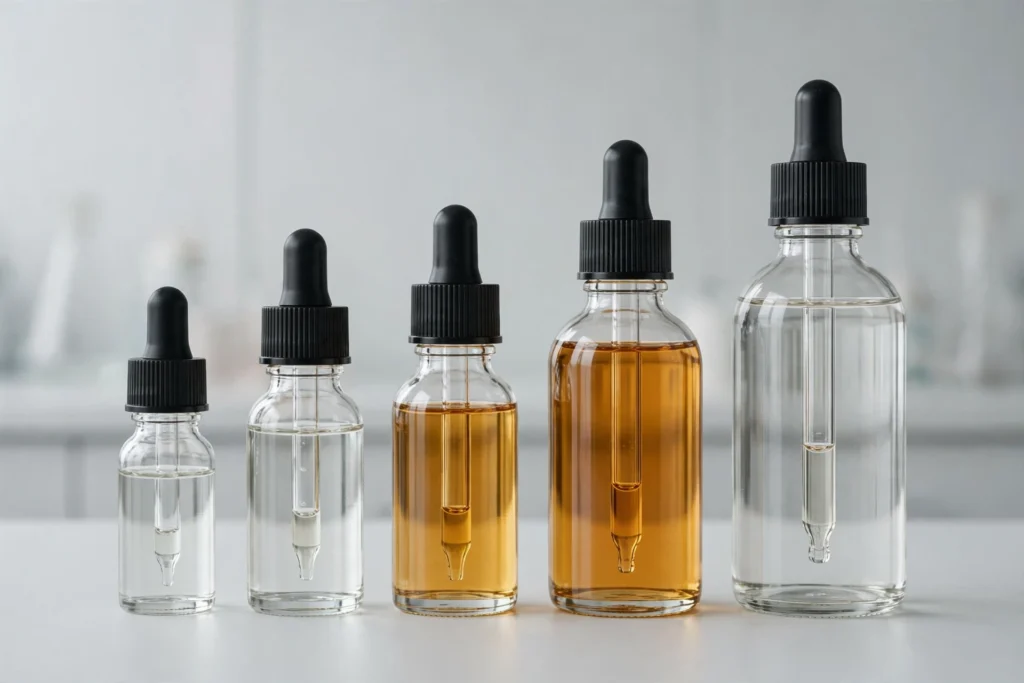
54 Clear Facts: The Essential Vape Juice Strengths Guide for Every Vaper
Walk into any vape shop or browse any online store and you will see bottles labeled 0mg, 3mg, 6mg, 12mg, 18mg, and beyond. These numbers represent vape juice strengths, and choosing the right one shapes your entire vaping experience. Too high and the throat hit overwhelms. Too low and you feel unsatisfied. Get it right and everything clicks.
This essential guide to vape juice strengths explains what those numbers mean, how different strengths feel, and how to match a strength to your needs. For smokers making the switch or curious vapers exploring options, these 54 clear facts will help you choose with confidence.
What Vape Juice Strengths Mean
The number on an e-liquid bottle tells you how many milligrams of nicotine are in each milliliter of liquid. A 6mg bottle contains 6 milligrams per milliliter. A 12mg bottle contains twice that. This measurement system is standard across the industry, making vape juice strengths easy to compare between brands.
Understanding vape juice strengths starts with this simple definition, but the experience involves more than math. The same nicotine level can feel different depending on the device, the PG VG ratio, and your personal tolerance. A 6mg liquid in a powerful sub ohm tank delivers nicotine more efficiently than 6mg in a small pod device.
Vape juice strengths exist on a spectrum from zero to very high. Most freebase e-liquids range from 0mg to 18mg or 24mg. Nicotine salt e-liquids, designed for low power devices, often range from 20mg to 50mg. This guide focuses primarily on standard freebase vape juice strengths while explaining how salts compare.
Vape Juice Strengths Explained: 3mg and 6mg
Low vape juice strengths suit vapers who want mild nicotine with maximum flavor and smoothness.
The 3mg strength is the gentlest option that still contains nicotine. It produces very little throat hit, letting the flavor shine through completely. Many experienced vapers who have gradually reduced their nicotine settle at 3mg. It provides a subtle background presence without demanding attention.
The 6mg strength steps up to a noticeable but comfortable level. Among vape juice strengths, 6mg is one of the most popular choices for good reason. It delivers a mild throat hit that satisfies without harshness. Light smokers transitioning to vaping often find 6mg hits the sweet spot. It is also the strength many cloud chasers prefer, since higher nicotine becomes unpleasant at high wattages.
Sub ohm vapers should pay special attention to these lower vape juice strengths. Powerful devices vaporize more liquid per puff, delivering more nicotine per inhale. What feels mild in a pod can feel strong in a sub ohm tank. Most sub ohm users stay at 6mg or below for this reason.
Vape Juice Strengths Explained: 12mg
The 12mg strength sits in the middle of the range, and among vape juice strengths it is the classic choice for transitioning smokers.
Twelve milligrams delivers a firm throat hit that many former smokers find satisfying. It resembles the sensation of smoking closely enough to ease the transition. Vapers who smoked around a pack a day often land here initially. The nicotine presence is unmistakable but not overwhelming for most users.
Mouth to lung devices pair naturally with 12mg. These devices mimic the draw of a cigarette, using higher resistance coils at lower wattages. The restricted airflow and modest vapor production make 12mg comfortable. In a sub ohm device, however, 12mg can feel harsh. Device and strength must match.
Among vape juice strengths, 12mg is also a common stepping stone. Vapers often start higher, move to 12mg as they adjust, then continue downward. It is a versatile middle ground that works for many people at various stages.
Vape Juice Strengths Explained: 18mg and 24mg
High vape juice strengths serve vapers who need substantial nicotine delivery, typically heavier smokers making the switch.
The 18mg strength provides a strong throat hit and pronounced nicotine presence. It is intense by modern standards, and most vapers use it only in low power mouth to lung devices. In the right setup, 18mg satisfies deeply. In the wrong setup, it is punishing. Never use 18mg in a sub ohm tank unless you enjoy regret.
The 24mg strength is increasingly rare in freebase form, having been largely replaced by nicotine salts for high strength needs. Where it appears, 24mg serves very heavy smokers who need maximum freebase delivery. It is harsh by any measure and strictly for low wattage devices.
These higher vape juice strengths demand respect. Start lower than you think you need. You can always increase, but a harsh first experience discourages continued vaping. Many successful transitions began at strengths lower than the smoker initially expected.
Zero Nicotine: The 0mg Option Among Vape Juice Strengths
Not all vape juice strengths contain nicotine. The 0mg option offers the full flavor and ritual of vaping with no nicotine at all.
Zero nicotine e-liquid appeals to several groups. Some vapers have gradually reduced their strength to zero and stayed for the flavor and habit. Others enjoy the social and sensory aspects of vaping without wanting nicotine. Flavor chasers sometimes prefer 0mg because the absence of nicotine throat hit lets subtle flavor notes emerge.
When discussing vape juice strengths, 0mg deserves respect as a legitimate choice rather than an afterthought. Many premium flavor lines offer 0mg versions of their entire range. The vaping experience at 0mg is smooth, flavorful, and focused entirely on taste and vapor.
How to Choose Among Vape Juice Strengths
Selecting from available vape juice strengths involves honest self assessment. Consider these factors.
Your smoking history matters most if you are transitioning. Light smokers, those who smoked fewer than ten cigarettes daily, usually do well starting at 6mg. Moderate smokers often start at 12mg. Heavy smokers may need 18mg initially. These are starting points, not rules. Individual responses vary.
Your device determines what vape juice strengths are comfortable. Pod systems and mouth to lung tanks handle higher strengths gracefully. Sub ohm tanks demand lower strengths. Using 18mg in a powerful sub ohm device is a mistake you will make exactly once.
Your goals shape the choice. If you plan to reduce nicotine over time, start at a comfortable level and step down gradually. If you want to maintain your current intake, match your strength to your consumption patterns. There is no prize for choosing the highest or lowest of the vape juice strengths. The right choice is the one that keeps you satisfied.
Pay attention to your body’s signals. Headaches, nausea, or dizziness suggest your strength is too high. Persistent cravings or chain vaping suggest it might be too low. Adjust based on experience rather than theory.
Vape Juice Strengths and Device Types
The relationship between vape juice strengths and hardware cannot be overstated. They work as a system.
Pod systems use low wattage and high resistance coils. They vaporize small amounts of liquid per puff. This makes them ideal for higher vape juice strengths, including nicotine salts at 25mg to 50mg. A pod user might vape 12mg freebase or 35mg salts comfortably.
Mouth to lung tanks occupy the middle ground. They offer more vapor than pods but far less than sub ohm tanks. Vape juice strengths from 6mg to 18mg all have a place here depending on the smoker’s needs and the specific coil.
Sub ohm tanks are nicotine delivery powerhouses. They vaporize large volumes of liquid, meaning even low vape juice strengths deliver significant nicotine. Most sub ohm vapers use 0mg to 6mg. Anything higher becomes harsh quickly.
Disposable vapes typically use nicotine salts at fixed strengths, often 50mg. These are not part of the standard freebase vape juice strengths discussion, but they illustrate the principle: low power devices pair with high strengths.
Vape Juice Strengths vs Nicotine Salts
Nicotine salts deserve explanation in any guide to vape juice strengths because they changed the landscape.
Freebase nicotine is the traditional form used in most e-liquids. It provides a noticeable throat hit that increases with strength. The vape juice strengths discussed above, 0mg through 24mg, typically refer to freebase nicotine.
Nicotine salts use a different chemical formulation that feels smoother at higher strengths. This allows comfortable vaping at 25mg, 35mg, or 50mg in low power devices. The smoothness is deceptive. These are very high nicotine levels despite the gentle throat hit.
Do not directly compare freebase vape juice strengths with salt strengths. A 12mg freebase and a 12mg salt feel different and satisfy differently. Salts deliver nicotine more efficiently with less throat irritation. Choose the formulation designed for your device type.
PG VG Ratios and Perceived Strength
Propylene glycol carries throat hit. Vegetable glycerin smooths it out. This means the PG VG ratio influences how vape juice strengths feel.
High PG blends, like 50/50 or 60/40 PG dominant, enhance throat hit. The same nicotine strength feels stronger in high PG liquid. Vapers using higher vape juice strengths often prefer balanced or PG leaning ratios for that familiar sensation.
High VG blends, like 70/30 or 80/20 VG dominant, smooth everything out. The same strength feels milder. Cloud chasers who use low vape juice strengths benefit from high VG smoothness.
When switching ratios, reassess your strength. Moving from 50/50 to 70/30 at the same nicotine level will feel like a step down in intensity. You might want to adjust your chosen strength to compensate.
Common Mistakes When Choosing Vape Juice Strengths
Learning from others’ errors saves unpleasant experiences.
Starting too high is the most common mistake with vape juice strengths. New vapers sometimes assume they need maximum nicotine. They buy 18mg, try it in a sub ohm tank, and have a terrible experience. Start moderate. You can always go up.
Starting too low causes a different problem. Vapers who choose insufficient strength may vape constantly without satisfaction, burning through e-liquid and feeling frustrated. If you are chain vaping without relief, consider stepping up.
Ignoring device compatibility creates harshness. The wrong combination of high vape juice strengths and powerful devices is unpleasant. Match your strength to your hardware’s power level.
Changing too many variables at once confuses the process. When adjusting, change only your strength or only your device, not both. This isolates what works.
Forgetting that tolerance changes over time leads to stagnation. Many vapers find their ideal strength decreases naturally. Revisit your choice periodically rather than vaping the same strength forever out of habit.
The Science of Nicotine Delivery in Vapor
Understanding how nicotine moves from e-liquid to your system helps explain why the numbers matter and why they do not tell the whole story.
When you inhale vapor, nicotine absorbs primarily through the lungs and the mucous membranes of the mouth and throat. The efficiency of this absorption depends on particle size, inhalation depth, and the chemical form of the nicotine. Freebase nicotine, the traditional form, absorbs at a moderate rate. Nicotine salts, with their altered pH, absorb more rapidly and feel smoother doing it.
This is why comparing numbers across formulations misleads. Twelve milligrams of freebase and twelve milligrams of salt deliver different experiences. The salt version typically satisfies faster with less throat irritation. Vapers switching between formulations should recalibrate their expectations rather than matching numbers directly.
Inhalation style matters enormously. Mouth to lung vaping, where vapor is drawn into the mouth then inhaled, delivers nicotine gradually. Direct lung vaping, where vapor goes straight to the lungs in large volumes, delivers nicotine rapidly. The same bottle feels very different between these styles. Your technique is as important as your bottle label.
Puff duration and frequency complete the picture. Short frequent puffs deliver nicotine differently than long occasional draws. Chain vaping at low strength can deliver as much total nicotine as occasional puffs at high strength. Pay attention to your patterns, not just your purchase.
Stepping Down: A Gradual Reduction Strategy
Many vapers eventually reduce their nicotine intake. A gradual approach works better than abrupt jumps for most people.
The standard reduction path moves through the common levels: 18mg to 12mg to 6mg to 3mg to 0mg. Spend at least two to four weeks at each level before stepping down. This gives your body time to adjust without noticeable discomfort. Rushing the process often leads to compensatory chain vaping that defeats the purpose.
Some vapers create intermediate levels by mixing. Combining equal parts 12mg and 6mg yields approximately 9mg. Mixing 6mg and 3mg gives roughly 4.5mg. These custom blends smooth the transitions between standard retail options. Just be sure to mix the same flavor for consistent taste.
Watch for signs you stepped down too fast. Increased irritability, difficulty concentrating, or constant cravings suggest your body was not ready. There is no shame in stepping back up temporarily. The goal is sustainable progress, not suffering. Most successful reducers describe the process as uneventful, which is exactly what you want.
Flavor can help during reduction. When nicotine decreases, interesting flavors fill the sensory gap. Vapers who step down often report discovering new appreciation for complex profiles they previously overlooked. Use the transition as an excuse to explore.
The final step from 3mg to 0mg is psychological as much as physical. By this point, physical dependence is minimal. The habit, the hand to mouth ritual, and the flavor enjoyment remain. Many vapers find this last step surprisingly easy, while others prefer to linger at 3mg indefinitely. Both choices are fine.
Strength Preferences for Different Vaping Styles
Cloud chasers and flavor chasers approach nicotine differently, and understanding these subcultures helps you find your place.
Cloud chasers prioritize vapor production above all. They use powerful devices at high wattages with low resistance coils. In this style, even moderate nicotine becomes harsh because of the enormous vapor volume. Most cloud chasers use 0mg to 3mg. The focus is entirely on vapor density and trick performance. Nicotine is almost irrelevant to their goals.
Flavor chasers prioritize taste fidelity. They use moderate power devices with coils optimized for flavor rather than clouds. This style accommodates a wider range of options, typically 3mg to 12mg depending on the device. The goal is experiencing every note the mixer intended, and the right nicotine level supports rather than distracts from that.
Stealth vapers prioritize discretion. They use small pod devices with minimal vapor output, often in situations where visible clouds would be inappropriate. Higher concentrations suit this style because small puffs must satisfy efficiently. Pod users commonly choose options that would be harsh in larger devices.
Social vapers adapt to context. They might use lower settings at home and higher settings when out. Some keep two devices with different levels for different situations. This flexibility is one of vaping’s advantages over smoking, where every cigarette delivers roughly the same dose.
Reading E-Liquid Labels for Strength Information
E-liquid labels contain important details beyond the big nicotine number. Learning to read them fully helps you shop smarter.
The nicotine strength is usually displayed prominently on the front, expressed as mg or mg/ml. Some bottles also show it as a percentage. A 6mg liquid is 0.6 percent nicotine by volume. A 12mg liquid is 1.2 percent. This percentage format appears more often on nicotine salt products.
Check whether the label specifies freebase or salt nicotine. This distinction affects how the stated strength feels. Reputable brands label this clearly. If the label does not specify, the product is most likely freebase, but contacting the manufacturer can confirm.
Look for the PG VG ratio near the strength information. As discussed earlier, this ratio influences perceived intensity. A 12mg liquid at 50/50 will feel stronger than 12mg at 70/30. Knowing both numbers lets you predict the experience accurately.
Warning labels are legally required and indicate a legitimate product. Nicotine warnings, age restrictions, and manufacturer contact details should all appear. Missing warnings suggest a product to avoid regardless of how attractive the price or flavor sounds.
Batch numbers and manufacturing dates help you assess freshness. E-liquid is best within one to two years of manufacture. While strength does not degrade dramatically in that window, flavor quality does. Fresher bottles deliver the experience the mixer intended.
Frequently Asked Questions About Vape Juice Strengths
What do the numbers on vape juice mean?
The numbers indicate milligrams of nicotine per milliliter of e-liquid. Among standard vape juice strengths, 6mg means 6 milligrams per milliliter, 12mg means 12 milligrams, and so on. Higher numbers mean more nicotine and generally stronger throat hit.
Which strength should a beginner choose?
Beginners transitioning from light smoking often start with 6mg among the available vape juice strengths. Those from heavier smoking backgrounds might try 12mg. The key is matching strength to your previous nicotine intake and your device type. When in doubt, start lower. You can increase if needed.
Can I mix different vape juice strengths?
Yes. Mixing equal parts of 6mg and 12mg creates approximately 9mg. Vapers use this technique to fine tune between standard vape juice strengths. Make sure you mix the same flavor or compatible flavors, and shake well.
How do nicotine salts compare to freebase strengths?
Nicotine salts feel smoother at equivalent numbers, allowing comfortable use at 25mg to 50mg in pod devices. These are much higher absolute nicotine levels than standard freebase vape juice strengths. Do not use high strength salts in sub ohm devices.
Will higher strength e-liquid damage my coils?
Nicotine strength itself does not significantly affect coil life. Sweetener content matters far more. Among vape juice strengths, a sweet 3mg will gunk coils faster than a clean 18mg. Choose coil friendly flavors regardless of strength.
Where can I buy different vape juice strengths?
Reputable retailers stock the full range of vape juice strengths. DiscoverVapes carries multiple strengths across its e-liquid lines. Browse the shop page to compare options. For regulatory background on nicotine products, see the FDA tobacco products page.
Final Thoughts on Vape Juice Strengths
Choosing among vape juice strengths is personal, but it does not have to be mysterious. Understand what the numbers mean, match your strength to your device, start moderate, and adjust based on experience. Most vapers find their sweet spot within a few tries.
Remember that your ideal strength may change. Many vapers gradually reduce over time. Others find a comfortable level and stay there. Both paths are valid. The best of the vape juice strengths is the one that keeps you satisfied and away from cigarettes. Take your time, trust your experience, and enjoy finding what works for you.
For more guidance on e-liquid basics, explore our e-liquid flavor guide. Then visit DiscoverVapes to find your ideal strength today.