
4 Key Insights: The Trusted THC Vape Guide for Curious Adults
Interest in cannabis vaping has grown steadily as more adults explore alternatives to traditional consumption methods. If you have heard friends talk about THC vaping or seen sleek vape pens at a dispensary, you might be wondering what the experience involves and whether it suits your preferences. This thc vape guide is designed to answer those questions in plain, honest language.
This thc vape guide covers the fundamentals without hype or judgment. You will learn what THC vaping means, how the devices work, what to look for when shopping, and how to approach the experience responsibly. The goal is to give you enough understanding to make informed choices.
Before going further, one important note: cannabis laws differ widely by location. This thc vape guide is for informational purposes for adults in places where cannabis is legal. Always check your local regulations before purchasing or using any THC product.
What Is THC Vaping? A THC Vape Guide Introduction
THC vaping means inhaling vapor produced from cannabis oil or concentrate that contains tetrahydrocannabinol, the primary psychoactive compound in cannabis. Unlike smoking dried flower, which burns plant material, vaping heats oil to a temperature that creates vapor without combustion. This thc vape guide starts here because understanding the basic mechanism helps everything else make sense.
A typical setup includes a battery device and a cartridge filled with THC oil. When you draw on the mouthpiece, the battery powers a small heating element inside the cartridge. The element warms the oil just enough to turn it into vapor, which you inhale. This thc vape guide emphasizes that no flame is involved, which is the key difference from smoking.
The effects tend to arrive quickly, often within minutes, because vaporized THC absorbs through the lungs into the bloodstream. Many adults appreciate this fast onset because it makes dosing easier to gauge than with edibles, which can take an hour or more. This guide notes that quick feedback helps newcomers start low and adjust gradually.
How THC Vape Devices Work
Every THC vape setup shares the same basic parts, though designs vary. This thc vape guide breaks down each component so you know what you are handling.
The Battery
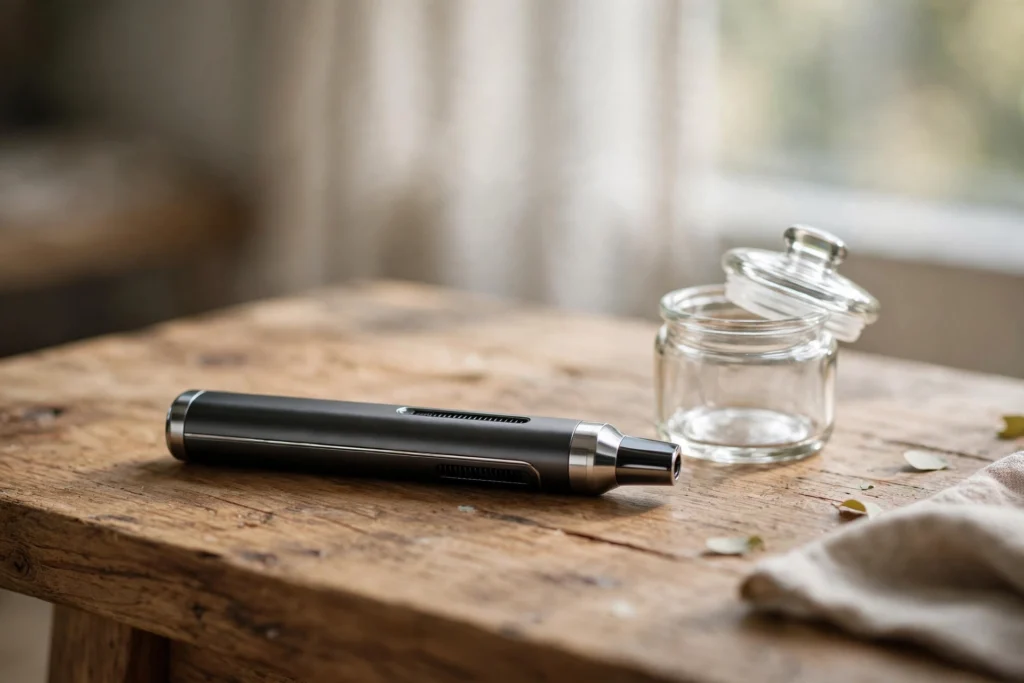
The battery is the power source. Most THC vape batteries are slim, pen-shaped, and rechargeable via USB. Some are draw-activated, meaning they turn on automatically when you inhale. Others have a button you press while drawing. This thc vape guide suggests draw-activated models for simplicity, especially if you are new to vaping.
Battery capacity affects how long the device lasts between charges. Smaller pen batteries might need daily charging with regular use, while larger ones can go several days. This thc vape guide recommends keeping a charger handy and never using a damaged battery.
The Cartridge
The cartridge holds the THC oil. It screws onto or clicks into the battery and contains a heating coil and wicking material. Most cartridges are pre-filled and disposable: when the oil runs out, you replace the whole cartridge. This thc vape guide notes that pre-filled cartridges dominate the market because they are convenient and consistent.
Cartridges come in standard thread sizes, with 510-thread being the most common. This means many batteries and cartridges are interchangeable across brands. This thc vape guide advises checking compatibility before buying, since some brands use proprietary connections.
The Heating Element
Inside the cartridge, a small coil heats the oil. When you inhale, the battery sends power to the coil, which warms the oil into vapor. The temperature matters: too cool and you get weak vapor, too hot and the flavor suffers. Quality cartridges are engineered to heat evenly. This guide points out that even heating is one reason reputable brands cost more than untested alternatives.
Types of THC Vape Products
Not all THC vape products are the same. This thc vape guide walks through the main categories so you can tell them apart.
Disposable Vape Pens
Disposable THC pens arrive pre-filled and pre-charged. You use them until the oil runs out, then recycle or discard them according to local rules. There is nothing to charge, fill, or maintain. This thc vape guide often points beginners toward disposables because they remove every variable except the experience itself.
The tradeoff is long-term cost and waste. If you vape regularly, disposables add up quickly compared to a rechargeable setup. Still, for someone trying THC vaping for the first time, the simplicity is hard to beat.
Rechargeable Pen with Replaceable Cartridges
This is the most popular setup. You buy a rechargeable battery once, then purchase pre-filled cartridges as needed. When a cartridge empties, you unscrew it and attach a new one. This thc vape guide considers this the best balance of convenience and value for regular users.
The initial investment is higher than a disposable, but per-session cost drops significantly over time. You also get more choice, since you can try cartridges from different brands and strains with the same battery.
Pod Systems
Some brands sell proprietary pod systems where small pods click into a matching battery. These work like the rechargeable pen setup but with magnetic connections instead of threads. This thc vape guide notes that pod systems are compact and user-friendly, though you are locked into one brand’s pods.
Concentrate Vaporizers
A smaller segment of devices is designed for cannabis concentrates like wax or shatter rather than oil cartridges. These require manual loading and more maintenance. This thc vape guide mentions them for completeness but suggests most newcomers start with pre-filled cartridges.
Understanding THC Concentrations
Cartridges list their THC content, usually as a percentage or in milligrams. This guide explains how to read those numbers.
A cartridge might contain 500mg of oil at 80 percent THC, meaning about 400mg of actual THC. Higher percentages do not automatically mean a better experience. Many adults find moderate concentrations more enjoyable and easier to dose. This thc vape guide advises newcomers to start with lower-potency options and see how they respond.
Full-spectrum oils retain a broader range of cannabis compounds, while distillates are more refined and THC-focused. Neither is universally better; they simply offer different experiences. This thc vape guide suggests asking dispensary staff about the difference if you are curious, since they can describe what each type tends to feel like.
Choosing Quality THC Vape Products
Quality matters enormously with THC vapes. This thc vape guide offers practical buying advice.
Buy from Licensed Retailers
Licensed dispensaries test their products for potency and contaminants. Unlicensed sellers do not. This thc vape guide cannot stress this enough: the single most important safety step is buying from a legal, regulated source. Counterfeit cartridges have been linked to serious health incidents, and they are far more common through informal channels.
Look for Lab Testing
Reputable brands publish third-party lab Results showing cannabinoid content and screening for pesticides, heavy metals, and residual solvents. Many print a QR code on the package linking to the Results. This thc vape guide recommends making this a habit before every purchase.
Check the Oil
Quality THC oil is typically golden to amber and free of visible particles. Extremely dark oil or oil with floating bits can signal poor manufacturing. This guide notes that appearance is not a guarantee, but it is a useful first filter alongside lab Results.
Consider the Hardware
Cheap cartridges can leak, clog, or deliver inconsistent hits. Look for cartridges with ceramic coils, which tend to heat more evenly than older wick designs. This thc vape guide suggests that spending a little more on hardware usually pays off in reliability.
Dosing: Start Low and Go Slow
Responsible dosing is the heart of a good experience. This thc vape guide offers a framework.
Take one small puff and wait at least 10 to 15 minutes before deciding whether to take another. THC vaping acts fast, but full effects can still build over several minutes. This thc vape guide emphasizes patience, especially for newcomers who do not yet know their tolerance.
Keep track of how much you consume in a session. Many adults find that two or three small puffs are plenty. There is no prize for consuming more, and overdoing it leads to discomfort rather than enjoyment. This thc vape guide encourages you to treat each session as its own experiment.
Avoid mixing with alcohol, especially at first. The combination can intensify effects unpredictably. This thc vape guide advises keeping your first several sessions simple so you learn how THC vaping affects you on its own.
What to Expect from the Experience
Everyone responds differently, but this guide can describe common patterns.
Effects typically begin within a few minutes of inhaling. Many adults report feeling relaxed, with heightened sensory awareness and a shift in mood. The experience usually peaks within 30 minutes and tapers over one to three hours, depending on dose and individual factors. This thc vape guide notes that staying hydrated and having snacks nearby makes the experience more comfortable.
Set and setting matter. A calm, familiar environment tends to produce a better experience than a stressful or unfamiliar one. This thc vape guide suggests planning your first session for a relaxed evening at home rather than a busy social event.
THC Vape Guide Safety and Responsible Use
This thc vape guide takes safety seriously. These guidelines are non-negotiable.
Age and Legality
Only adults of legal age in jurisdictions where cannabis is permitted should use THC products. Keep all cannabis products locked away from children and pets. This thc vape guide reminds readers that responsible storage is a legal and ethical obligation.
Do Not Drive
Never drive or operate machinery after vaping THC. Impairment can last hours after the noticeable effects fade. This thc vape guide is direct on this point because the consequences of ignoring it are severe.
Know Your Source
As mentioned earlier, buy only from licensed retailers. Avoid anything sold through social media, friends of friends, or unregulated delivery services. This guide repeats this because counterfeit products remain the biggest risk in THC vaping.
Listen to Your Body
If you feel anxious, dizzy, or nauseous, stop vaping. Sit down, drink water, and rest in a calm space. These feelings pass. This thc vape guide reassures newcomers that overconsumption is unpleasant but temporary, and that starting low makes it unlikely.
THC Vape vs Other Consumption Methods
How does vaping compare to alternatives? This thc vape guide offers a balanced look.
Compared to smoking flower, vaping avoids combustion and produces less odor. The vapor dissipates quickly, making it more discreet. Many adults prefer the cleaner taste of vapor over smoke. This thc vape guide notes that device maintenance is simpler too, since there is no ash or rolling involved.
Compared to edibles, vaping offers much faster onset and easier dose control. Edibles can take over an hour to work, which leads some people to take more too soon. With vaping, you feel effects within minutes and can stop when you have had enough. This thc vape guide considers this control the biggest practical advantage of vaping.
Compared to tinctures, vaping is more portable and the ritual feels more familiar to former smokers. Tinctures have their own advantages, but this thc vape guide focuses on vaping as the topic at hand.
Maintaining Your Device
A little care keeps your setup working well. This guide covers the basics.
Wipe the battery connection with a dry cloth if you notice residue. Store cartridges upright in a cool, dark place to prevent leaking and preserve oil quality. Keep the mouthpiece clean. This thc vape guide recommends a quick wipe-down weekly for regular users.
Charge with the cable that came with your device, and do not leave batteries charging unattended overnight. If a battery swells, gets very hot, or looks damaged, stop using it immediately. This thc vape guide treats battery safety as essential knowledge for every vaper.
Traveling with THC Vapes
Travel rules are strict and vary by jurisdiction. This thc vape guide urges caution here.
Never cross state or national borders with THC products, even between places where cannabis is legal. Federal law and airline policies prohibit it. Within a legal state, keep products in their original packaging and stored out of reach while driving. This thc vape guide advises checking local rules before every trip, since regulations change.
Understanding Cannabis Strains in Vape Form
Cartridges often name specific cannabis strains, and this thc vape guide explains what those names mean for your experience. Strain names like those associated with relaxing evenings or uplifting afternoons originated from cannabis flower culture. When translated into vape oil, the strain name usually signals the terpene profile and expected character of the experience.
Indica-leaning options are often described as calming and body-focused. Sativa-leaning options are often described as energizing and mind-focused. Hybrids blend both. This guide cautions that these categories are generalizations, and individual responses vary. The best approach is to try a small amount and note how you feel.
Terpenes are aromatic compounds that contribute to flavor and may influence the character of the experience. Common terpenes include myrcene, limonene, and pinene, each with a distinct scent. Some brands list dominant terpenes on the package. This thc vape guide suggests that paying attention to terpenes can help you find products you enjoy consistently.
Reading Labels Like a Pro
Cannabis packaging carries a lot of information. This thc vape guide helps you decode it.
The THC percentage tells you potency per gram of oil. The total milligrams tell you how much THC is in the whole cartridge. The strain or blend name hints at flavor and character. The manufacturing and testing dates tell you freshness. This thc vape guide recommends checking dates, since older oil can lose flavor and potency.
Warning labels and child-safety symbols are required in legal markets. Dosage guidance is often printed for newcomers. Keep the packaging until the cartridge is finished, since it contains the batch number you would need if you ever had a question about the product. This thc vape guide treats the label as your first quality checkpoint.
Social Etiquette for Vaping
Where and when you vape matters to the people around you. This thc vape guide offers practical etiquette.
Even where cannabis is legal, many public spaces prohibit vaping of any kind. Private property owners set their own rules. Always ask before vaping in someone else’s home or at a gathering. This guide notes that the discreet nature of vapor does not make it automatically welcome everywhere.
At social events, be mindful of non-consumers. Not everyone wants to be around cannabis vapor, and some people have workplace drug testing to consider. Offer, do not assume. This thc vape guide encourages the same courtesy you would extend with any personal habit.
Storing Your Supply Safely
Proper storage protects both quality and safety. This thc vape guide covers the essentials.
Keep cartridges upright to prevent oil from settling against the coil in ways that cause clogging. Store them in a cool, dark place, since heat and light degrade cannabinoids and terpenes over time. A drawer or cabinet works well. Avoid leaving cartridges in hot cars, which can cause leaking and potency loss. This thc vape guide emphasizes that a few simple habits preserve your investment.
Child-resistant packaging exists for a reason. If you have children, grandchildren, or pets in the home, store all cannabis products in a locked container. Edibles-style caution applies to vape products too, since cartridges can look unremarkable to curious kids. This thc vape guide considers locked storage non-negotiable for households with young people.
Troubleshooting Common Issues
Even quality products sometimes act up. This thc vape guide helps you fix common problems.
If your cartridge clogs, try warming it gently in your hands for a minute, then take a slow, gentle draw without firing the battery if your device allows it. Forcing hard draws on a clog often makes it worse. This guide finds that patience resolves most clogs.
If the taste turns burnt, the coil may be running dry or the voltage may be too high. Lower the voltage if your battery allows adjustment. If the problem persists, the cartridge may be spent. This thc vape guide advises replacing rather than pushing a burnt cartridge, since the flavor will not recover.
If the battery will not charge, try a different cable and power source before assuming the battery is dead. Clean the charging contacts with a dry cloth. This thc vape guide notes that connection issues cause most charging problems.
Budgeting for THC Vaping
Costs vary by market, but this thc vape guide offers general guidance.
A quality rechargeable battery is a one-time purchase that typically costs less than a few cartridges. Cartridges themselves are the ongoing expense, with prices reflecting oil quality, brand reputation, and local taxes. Dispensaries often run specials, and many offer loyalty programs. This thc vape guide suggests comparing cost per milligram of THC when evaluating value, since cartridge sizes and potencies differ.
Disposable pens cost less upfront but more per session over time. If you vape regularly, the rechargeable setup usually wins on value within a few weeks. This thc vape guide recommends starting with whatever format feels comfortable, then optimizing for cost once you know your habits.
Talking to Dispensary Staff
Budtenders are a valuable resource. This guide suggests how to get the most from the conversation.
Be honest about your experience level. Saying you are new leads to better recommendations than pretending otherwise. Describe what you want from the experience in plain terms: relaxing evening, social ease, creative afternoon. Mention any flavors you enjoy or dislike. This thc vape guide finds that specific descriptions get better suggestions than vague requests.
Ask about lab testing, return policies for defective cartridges, and whether the shop offers any newcomer guidance. A good dispensary welcomes questions. If staff seem rushed or dismissive, consider shopping elsewhere. This thc vape guide treats knowledgeable service as part of what you are paying for.
THC Vape Guide: Frequently Asked Questions
This thc vape guide answers the questions adults ask most.
How long does a THC cartridge last?
It depends on the cartridge size and how often you vape. A standard 500mg cartridge typically provides several dozen sessions for moderate users. This thc vape guide notes that tracking your own usage is the best way to estimate.
Will THC vaping produce a strong smell?
Vapor has a mild cannabis scent that dissipates quickly, much less lingering than smoke. This thc vape guide considers discretion one of vaping’s practical advantages, though it is not completely odorless.
Can I use a nicotine vape battery for THC cartridges?
If the threading matches (usually 510-thread), it often works. However, this guide recommends using batteries designed for the cartridges you buy, since voltage differences can affect performance.
What is the difference between THC and CBD vapes?
THC is psychoactive and produces the characteristic cannabis high. CBD is non-psychoactive and is used by some adults for wellness purposes without intoxication. This thc vape guide focuses on THC, but the hardware is often similar.
Are THC vapes legal where I live?
Laws vary enormously. Some places allow recreational use, others only medical use, and many prohibit cannabis entirely. This thc vape guide cannot answer for your location: check your state or country laws from an official source before purchasing.
How should I store THC cartridges?
Upright, in a cool dark place, away from children and pets. Heat and light degrade oil quality over time. This thc vape guide suggests a locked drawer or box for households with kids.
Making an Informed Choice
You now have a solid foundation. This thc vape guide has covered devices, cartridges, dosing, safety, and shopping. The key takeaways are simple: buy from licensed sources, start with low doses, and respect the substance.
If you are in a legal market and curious to explore, take your time. Visit a reputable dispensary, ask questions, and read lab Results. Knowledge is the best tool for a positive experience. This thc vape guide encourages you to keep learning and to share responsible practices with others.
For general information about vaping devices and e-liquids, browse the guides at DiscoverVapes and shop quality products at DiscoverVapes shop. For official cannabis regulations in the United States, the FDA tobacco products page covers related federal policy, though cannabis rules are primarily set at the state level. This guide wishes you safe and informed exploration.